

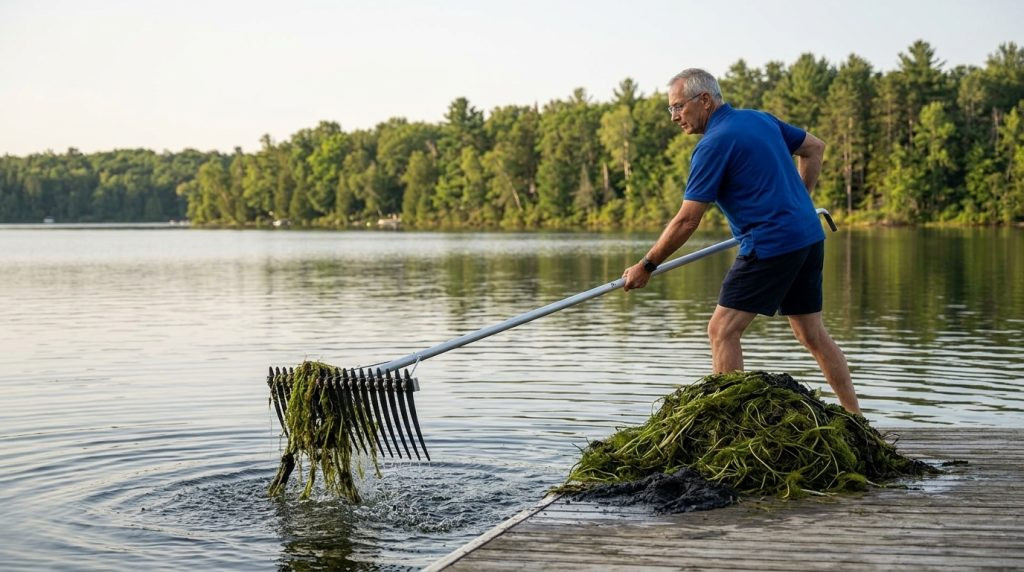
Rakezilla: The Ultimate Lake Rake
As August progresses, many lakefront property owners find themselves contending with a persistent challenge: dense aquatic vegetation and accumulated muck. This is precisely when a robust manual solution becomes indispensable for maintaining a clear and enjoyable shoreline.
The Rakezilla lake rake stands out as a powerful tool designed to tackle these issues head-on, offering an effective way to reclaim your swimming area and boat lanes from unwanted growth. Its heavy-duty construction and specialized design make it particularly well-suited for the demanding conditions of late summer lake cleanup, providing a direct and satisfying approach to lake management.
Understanding the Rakezilla Lake Rake: Design and Functionality
The Rakezilla lake rake is engineered for superior performance in challenging aquatic environments, distinguishing itself from standard rakes. Its design prioritizes durability and effectiveness, featuring a robust head with long, strong tines specifically crafted to penetrate dense weed beds and scoop up heavy layers of muck and debris. This specialized construction allows it to pull out rooted vegetation that other tools might simply glide over, ensuring a more thorough and lasting clean lake bottom.
The extended handle and wide head of the Rakezilla provide significant leverage and coverage, enabling users to clear large areas efficiently from a dock, boat, or shoreline. Its weight is carefully balanced to facilitate deep penetration into the lakebed without becoming overly cumbersome to maneuver, making it an accessible tool for a wide range of users. This thoughtful design minimizes physical strain while maximizing the amount of material removed with each pass, a crucial factor when dealing with extensive weed growth.
Beyond its primary function of weed and muck removal, the Rakezilla also proves highly effective for general lakebed maintenance. It can be used to gather loose debris, clear submerged leaves, and even redistribute bottom sediment to some extent, contributing to overall water quality and aesthetic appeal. The versatility of this tool makes it a cornerstone of any comprehensive manual lake management strategy, especially as the season progresses and organic matter accumulates.
Why August is Prime Time for Rakezilla Lake Rake Action
August presents a unique set of challenges and opportunities for lakefront property owners, making it an ideal month to deploy the Rakezilla lake rake. By this point in the season, aquatic vegetation has typically reached its peak growth, often forming dense mats that can impede swimming, boating, and fishing activities. The warmer water temperatures also accelerate the decomposition of organic matter, contributing to increased muck accumulation on the lakebed.
Addressing these issues manually in August is crucial for several reasons. Removing established weed growth before it begins to naturally die back in the fall helps prevent a significant influx of decaying plant material, which can exacerbate muck problems and reduce oxygen levels in the water. Furthermore, clearing out these weeds now ensures that your lakefront remains enjoyable for the final weeks of summer, maximizing your investment in your property.
The Rakezilla's ability to extract rooted weeds and heavy muck makes it particularly valuable during this period. Unlike chemical treatments that might have delayed effects or require specific water conditions, manual raking provides immediate results, allowing you to see and feel the difference right away. This direct approach is often preferred by those who seek an environmentally conscious and highly effective method for maintaining their lakefront during the peak of the season.
Targeting Specific August Challenges
August often brings a surge in nuisance aquatic plants like milfoil, hydrilla, and various pondweeds, which can quickly colonize shallow areas. These plants not only create an unsightly appearance but also tangle propellers, make swimming unpleasant, and can even harbor unwanted insect populations. The Rakezilla's robust tines are designed to grip and pull these stubborn plants from their roots, offering a more permanent solution than simply cutting them.
Beyond weeds, the accumulation of organic muck is a significant problem in late summer. This sludge, composed of decaying plant matter, leaves, and other debris, can create foul odors, provide a breeding ground for algae, and make the lakebed soft and uninviting. The Rakezilla lake rake excels at disturbing and collecting this muck, allowing it to be removed from the water column and significantly improving the quality of your swimming area.
By proactively addressing these challenges with a Rakezilla in August, property owners can prevent these issues from worsening into the fall and winter. Early intervention helps maintain a healthier aquatic ecosystem, reduces the workload for spring cleanup, and ensures that the lake remains a pristine environment for recreation. This strategic timing maximizes the impact of your manual efforts.
Maximizing Your Rakezilla Lake Rake's Effectiveness: Expert Tips
To truly harness the power of your Rakezilla lake rake, employing strategic techniques can significantly enhance your results and efficiency. One fundamental tip is to work systematically, dividing your target area into manageable sections. This approach prevents you from becoming overwhelmed and ensures that no patches of weeds or muck are overlooked, leading to a more comprehensive cleanup.
Another crucial technique involves using a consistent, sweeping motion rather than short, choppy pulls. A long, steady retrieve allows the Rakezilla's tines to fully engage with the lakebed, maximizing the amount of material collected with each pass. Experiment with different angles and depths to find the most effective approach for the specific type of vegetation or muck you are targeting, as conditions can vary even within a small area.
Consider the time of day you are raking; early mornings or late evenings often provide calmer water conditions, making it easier to see and retrieve debris. Furthermore, always have a designated collection area on shore for the removed weeds and muck. This prevents them from simply floating away and re-entering the lake, which would negate your efforts. Properly disposing of the organic matter on land, perhaps in a compost pile, completes the removal process effectively.
Seasonal Strategies for Optimal Results
While August is a prime time for using the Rakezilla, integrating its use into a broader seasonal strategy yields the best long-term results. In early spring, a lighter raking can help remove winter debris and emerging weeds before they become established, making subsequent cleanups less intensive. This proactive approach minimizes the chances of dense weed growth later in the season, reducing the overall effort required.
During the peak summer months, regular, perhaps weekly or bi-weekly, maintenance raking can keep new growth in check and prevent muck from accumulating excessively. Consistent effort is far more effective than sporadic, large-scale cleanups, as it prevents problems from escalating. This ongoing attention ensures that your lakefront remains pristine throughout the recreational season, enhancing its usability and aesthetic appeal.
Even in late fall, after the main recreational season, a final pass with the Rakezilla can be beneficial. This helps remove any remaining decaying vegetation and prepares the lakebed for winter, reducing the amount of organic matter that will decompose over the colder months. Such a comprehensive, year-round approach, with August being a critical intervention point, ensures sustainable lake health and minimizes future challenges.
Beyond the Rakezilla: Complementary Lake Solutions
While the Rakezilla lake rake is an exceptional tool for manual weed and muck removal, it often performs best as part of a multi-faceted approach to lake management. For areas with particularly dense or widespread aquatic vegetation, combining manual raking with other methods can significantly enhance overall effectiveness. Understanding these complementary solutions allows property owners to tailor a comprehensive strategy for their unique lakefront.
One common complement to manual raking is the use of aquatic weed control products designed to inhibit growth or break down existing vegetation. These can range from targeted herbicides for specific invasive species to natural enzymes that help decompose organic matter. When used responsibly and in accordance with local regulations, these products can reduce the sheer volume of weeds, making subsequent manual removal with the Rakezilla more manageable and less labor-intensive.
For persistent muck issues, specialized muck remover for ponds and lakes can be highly effective. These biological treatments introduce beneficial bacteria that accelerate the natural decomposition of organic sludge, reducing its volume and improving water clarity. Integrating these solutions with regular Rakezilla use ensures that both the visible weeds and the underlying muck are addressed, leading to a cleaner and healthier lake environment.
Integrating Aquatic Weed Control for Long-Term Health
Effective aquatic weed control extends beyond immediate removal; it involves understanding the root causes of excessive growth and implementing strategies to prevent recurrence. This might include addressing nutrient runoff from surrounding landscapes, which can fuel weed and algae blooms. Simple measures like maintaining a buffer zone of native plants along the shoreline can significantly reduce the amount of phosphorus and nitrogen entering the water.
For larger or more complex weed problems, mechanical solutions such as specialized cutters or harvesters might be considered, though these typically involve professional services. However, for most lakefront property owners, a combination of diligent manual raking with the Rakezilla, strategic use of biological treatments, and responsible shoreline management provides a powerful and sustainable approach. This integrated strategy ensures that your efforts yield lasting improvements rather than temporary fixes.
Ultimately, the goal is to create a balanced aquatic ecosystem where desirable native plants can thrive without being overtaken by nuisance species. By leveraging tools like the Rakezilla alongside other proven methods, property owners can achieve a beautiful, functional, and ecologically sound lakefront. This holistic perspective ensures that all aspects of lake health are considered, leading to more effective and enduring results.
Why Weeders Digest is Your Rakezilla Lake Rake Expert
Choosing the right tools and strategies for lake management can be a complex decision, which is why expert guidance is invaluable. At Weeders Digest, we pride ourselves on our deep understanding of aquatic solutions, including the nuances of using tools like the Rakezilla lake rake effectively. Our team possesses extensive, first-hand knowledge of every item we sell, ensuring that the advice you receive is grounded in practical experience and real-world application.
We understand that every lake and pond presents unique challenges, from specific weed types to varying muck compositions. Our approach is to help customers find perfect lake or pond management solutions based on intimate product understanding, rather than offering generic recommendations. This personalized guidance ensures that you invest in the right tools and techniques for your specific situation, maximizing your success and satisfaction.
Our commitment to customer support extends beyond product sales. Experts are available 7 days a week to answer questions and provide information on specific situations, ensuring you have ongoing access to knowledgeable assistance. This continuous support means you're never alone in your lake management efforts, whether you're troubleshooting a problem or seeking advice on optimizing your Rakezilla's performance.
Customer Success with Weeders Digest Lake Solutions
The true measure of any lake management solution lies in the positive outcomes experienced by property owners. Customer reviews for Weeders Digest lake solutions consistently highlight effective results for various aquatic weed and muck problems, underscoring the reliability of our products and expertise. Many customers praise the effectiveness of products like the Rakezilla, noting significant improvements in their lakefront conditions after consistent use.
One common theme in feedback is the satisfaction derived from reclaiming swimming areas and boat paths that were previously choked with vegetation. Users frequently report that the Rakezilla's heavy-duty construction and long tines make it exceptionally capable of pulling out stubborn, rooted weeds that other rakes simply cannot manage. This direct and tangible impact on usability is a primary driver of customer appreciation.
Beyond immediate weed removal, customers also share positive experiences regarding the reduction of accumulated muck and improved water clarity. The combination of effective tools and personalized advice from Weeders Digest helps property owners achieve healthier, more enjoyable lake environments. This consistent positive feedback, contributing to a 4.6-star rating based on 198 reviews, reflects our dedication to providing solutions that truly work.
Frequently Asked Questions About Lake Raking
How often should I rake my lakefront in August?
In August, the frequency of raking largely depends on the density of your aquatic vegetation and the rate of muck accumulation. For areas with significant weed growth or heavy muck, an initial intensive raking might be necessary, followed by weekly or bi-weekly maintenance. Lighter growth might only require raking every two to three weeks to keep it under control and prevent new issues from developing.
Observing your lakefront regularly will provide the best indication of when raking is needed. If you notice new weed growth becoming dense or a noticeable increase in muck, it's time to get out the Rakezilla. Consistent, smaller efforts are generally more effective and less strenuous than infrequent, large-scale cleanups, especially during the peak growth period of late summer.
Ultimately, the goal is to prevent weeds and muck from reaching a point where they significantly impact your enjoyment of the lake. Adjust your raking schedule based on visual cues and your desired level of clarity, always aiming for proactive management rather than reactive crisis control.
Can the Rakezilla damage my lakebed or beneficial plants?
When used correctly, the Rakezilla is designed to minimize damage to the lakebed and can even help manage the growth of beneficial native plants. Its tines are effective at pulling out nuisance weeds and muck without excessively disturbing the underlying sediment, especially if you use a controlled, sweeping motion. Aggressive or uncontrolled raking, however, could potentially disturb the lakebed more than necessary.
To protect beneficial native plants, it's important to identify them and rake around them carefully. Many native species play a crucial role in the lake's ecosystem, providing habitat and stabilizing sediment. The Rakezilla allows for targeted removal, meaning you can focus on invasive or undesirable weeds while leaving beneficial vegetation intact, supporting a healthier overall aquatic environment.
Regular, moderate raking is less likely to cause significant disturbance compared to infrequent, heavy-handed efforts. By being mindful of your technique and the specific areas you are targeting, you can effectively remove problem weeds and muck while preserving the ecological balance of your lakefront.
What's the best way to dispose of weeds and muck after raking?
Proper disposal of removed weeds and muck is critical to prevent them from re-entering the lake and continuing to decompose. The most environmentally sound method is to compost them on land, away from the shoreline. This allows the organic material to break down naturally, enriching your soil rather than polluting the water.
When creating a compost pile, ensure it is located far enough from the lake that nutrients from the decaying matter cannot leach back into the water. Turning the pile periodically will accelerate decomposition and prevent odors. Some municipalities may also offer organic waste collection services that can handle aquatic vegetation, so it's worth checking local regulations and options.
Never simply leave piles of weeds and muck at the water's edge, as rain can wash them back into the lake, undoing your hard work. By responsibly disposing of the removed material, you contribute to the long-term health and clarity of your lake, completing the cycle of effective lake management.
Taking control of your lakefront in August, especially when faced with peak weed growth and muck accumulation, requires effective tools and a strategic approach. The Rakezilla provides a powerful manual solution, allowing property owners to directly address these challenges and reclaim their swimming and boating areas. Understanding its design, optimal usage, and how it fits into a broader lake management plan ensures a cleaner, more enjoyable shoreline for the remainder of the season and beyond.
At Weeders Digest, we believe that every lakefront property owner deserves access to the best solutions and expert guidance. Our extensive product knowledge and hands-on experience mean we can help you navigate the complexities of aquatic weed and muck control, ensuring you choose the most effective tools and techniques for your specific situation. We are dedicated to supporting your efforts to maintain a healthy and beautiful lake environment.
Recent Posts
-
Tame Cattails with an Aquatic Vegetation Groomer
For lakefront property owners, encroaching cattails transform vibrant shorelines into dense, unusabl …8th Oct 2026 -
Seasonal Lake Weed Management: Local Help
Effective lake weed management local to your property requires more than just a generic approach; it …30th Sep 2026 -
Lake Weed Cutters: Manual vs. Motorized Options
Managing aquatic vegetation is a persistent challenge for lakefront property owners, marinas, and ho …23rd Sep 2026