

Seasonal Lake Weed Management: Local Help
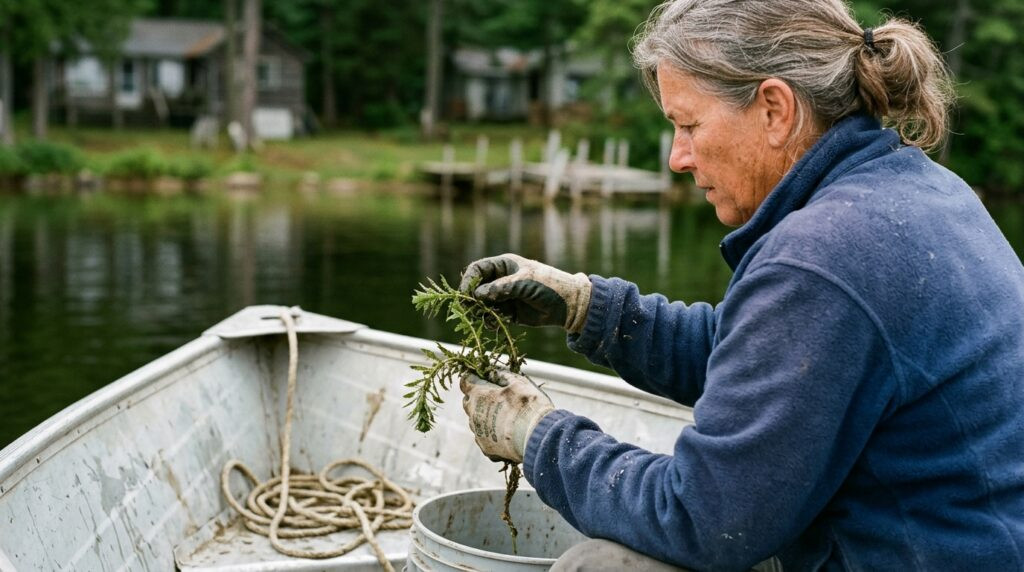
Effective lake weed management local to your property requires more than just a generic approach; it demands an understanding of specific environmental factors and regulatory landscapes. Lakefront property owners often face unique challenges with aquatic vegetation, from invasive species to nutrient imbalances, making tailored solutions essential. Navigating these complexities effectively means recognizing that a 'one-size-fits-all' strategy rarely yields sustainable results for diverse lake ecosystems.
Why Local Expertise Matters for Lake Weed Management
Relying on generic advice for aquatic vegetation can often lead to frustration and ineffective outcomes because every lake is a distinct environment. Regional climate patterns, specific water chemistry, and the prevalence of particular invasive species all profoundly impact how weeds grow and spread. What works for a shallow, nutrient-rich pond in one climate might be entirely unsuitable for a deep, clear lake in another.
Furthermore, local regulations and permitting requirements significantly influence the available management options. Before undertaking any significant weed control efforts, it is crucial to understand which methods are permissible and what permits are necessary in your specific area to avoid legal complications and ensure environmental compliance. Engaging with local experts ensures that all proposed solutions are not only effective but also adhere to these critical local guidelines.
Identifying Your Lake Weeds: A Local Perspective
Accurate identification of the specific aquatic plants in your lake is the foundational step for any successful lake weed management local strategy. Common invasive species like Eurasian watermilfoil and curly-leaf pondweed often dominate, but native plants such as lily pads and cattails can also become problematic if left unchecked. Each species has distinct growth patterns and vulnerabilities, necessitating different treatment approaches.
Differentiating between similar-looking weeds is critical, as misidentification can lead to ineffective or even harmful treatments. For instance, some native plants might resemble invasive species but play a vital role in the local ecosystem, making their removal undesirable. Consulting local field guides or aquatic plant specialists can help distinguish between beneficial native vegetation and aggressive invasives that require targeted intervention.
The timing of weed identification also impacts management planning, whether you are preparing for end-of-season cleanup or strategizing for the following year. Early spring is often ideal for identifying emerging growth, allowing for proactive measures before weeds become established. Conversely, late summer identification helps assess the full extent of the problem and plan for post-season removal or next year's preventative actions.
Choosing the Right Lake Weed Management Method Near You
Selecting an appropriate lake weed management method requires careful consideration of your specific local conditions, the type of weeds present, and your long-term goals. Various techniques offer distinct advantages and limitations, making a tailored approach essential for effective control. Understanding these options helps property owners make informed decisions that align with both environmental stewardship and desired outcomes.
Mechanical removal, encompassing methods like cutting, raking, and harvesting, is often effective for immediate reduction of dense weed beds. This approach is particularly useful for clearing swimming areas or boat lanes and can be highly effective for visible surface weeds like lily pads. However, its limitations include potential for fragmentation, which can spread certain invasive species like milfoil, and the labor-intensive nature of the process, especially for larger areas or deep-rooted plants. Specialized equipment, such as an aquatic mower can significantly enhance efficiency for extensive mechanical removal tasks.
Biological controls involve introducing natural enemies of the weeds, such as specific fish species or insects, to manage their growth. This method works in harmony with local ecosystems and offers a sustainable, long-term solution, though results typically manifest over several seasons. The success of biological controls depends heavily on careful species selection and environmental compatibility, requiring expert assessment to ensure they do not disrupt the existing ecological balance.
Chemical treatments, utilizing EPA-approved aquatic herbicides, provide a rapid and often comprehensive solution for widespread weed infestations. However, their application is subject to stringent local regulations and environmental considerations, including water use restrictions and potential impacts on non-target organisms. Understanding these guidelines and employing certified applicators is paramount to ensure safe and effective use, minimizing any adverse ecological effects.
Crucially, preventative measures play a significant role in any long-term lake weed management local strategy, aiming to reduce future growth rather than just reacting to existing problems. This includes managing nutrient runoff from surrounding properties, installing benthic barriers to suppress growth in specific areas, and utilizing devices like the AquaThruster to disrupt muck and prevent weed establishment. A comprehensive strategy often integrates several of these methods, adapting to the seasonal changes and specific needs of the lake to achieve sustainable health.
Partnering with Local Lake Management Experts
Engaging with local lake management experts offers invaluable support for developing and implementing effective aquatic weed control strategies. These professionals bring specialized knowledge of regional ecosystems, regulatory requirements, and the most effective treatment methods for your specific situation. Their guidance transforms a reactive approach into a proactive, sustainable plan for lake health.
When seeking a potential lake management service, it is essential to ask pertinent questions to ensure they are the right fit. Inquire about their experience with similar lake types, their understanding of local invasive species, and their approach to integrated pest management. A reputable expert will conduct a thorough assessment of your lake’s conditions, including water chemistry, sediment composition, and existing vegetation, to recommend tailored solutions rather than generic treatments.
The value of a readily available help desk, such as one operating 7 days a week, cannot be overstated for ongoing support and urgent questions. This continuous access ensures that property owners can receive timely advice on new weed outbreaks, product application queries, or any unexpected changes in their lake environment. Such support is crucial for maintaining consistent progress and adapting strategies as needed throughout the season.
Ultimately, a comprehensive approach that combines effective products with expert advice leads to significantly better and more sustainable outcomes. Effective aquatic vegetation management relies on a strategic balance between herbicide applications and biological control methods, a balance best achieved with professional guidance. This partnership ensures that your lake weed management local efforts are both efficient and environmentally responsible, fostering long-term aquatic health.
Long-Term Lake Weed Prevention & Seasonal Planning
Effective lake weed management extends beyond seasonal treatments, requiring a proactive, year-round approach focused on prevention and thoughtful planning. Implementing end-of-season cleanup best practices is crucial for mitigating problems in the subsequent year. Removing decaying vegetation, leaves, and other organic debris reduces the nutrient load in the water, which is a primary driver of weed growth.
Planning for spring involves taking proactive steps to minimize early-season weed growth before it becomes established. This might include applying preventative treatments, installing benthic barriers in problem areas, or ensuring proper shoreline vegetation management to reduce runoff. Early intervention is always more effective and less resource-intensive than addressing a full-blown infestation.
Understanding your lake's unique characteristics, such as 'thermal stratification' and 'turbidity,' is vital for long-term health and effective weed control. Thermal stratification, the layering of water by temperature, affects oxygen levels and nutrient distribution, influencing where and how weeds grow. Turbidity, or water clarity, impacts light penetration, which is essential for photosynthesis in aquatic plants.
Ongoing monitoring and adjustments to your management plan are key to achieving sustainable lake health. Regularly observing weed growth patterns, water quality changes, and the effectiveness of implemented strategies allows for timely modifications. This adaptive approach ensures that your lake weed management local efforts remain effective against evolving environmental conditions and new challenges.
Frequently Asked Questions
What is the best way to get rid of lake weed?
The best way to get rid of lake weed depends on the specific weed, infestation size, and local regulations. A combination of mechanical removal, biological controls, and targeted chemical treatments, often guided by professional assessment, yields the most effective results. Understanding the root cause, like nutrient runoff, is also crucial for long-term success.
How much does lake weed removal cost?
The cost of lake weed removal varies significantly based on the area size, weed density and type, and chosen management method. Professional services might charge per acre or per hour, while DIY solutions involve equipment and product costs. Obtaining a detailed quote after a site assessment is the most accurate way to determine potential expenses.
Is lake weed removal permanent?
Lake weed removal is rarely a permanent solution due to the dynamic nature of aquatic ecosystems and external factors like nutrient input. Effective management focuses on long-term control and prevention rather than complete eradication, which is often unrealistic. Consistent monitoring, proactive measures, and adaptive strategies are necessary to keep weeds at bay year after year.
Can I remove lake weed myself?
You can remove lake weed yourself, especially for smaller infestations or specific areas like swimming zones, using tools such as rakes, aquatic weed cutters, or manual pulling. However, it's crucial to correctly identify the weeds and understand local regulations regarding disposal and treatment. For larger problems, invasive species, or chemical applications, professional assistance is highly recommended to ensure effectiveness and environmental safety.
What specific signs indicate a lake needs professional weed management?
Several signs indicate a lake needs professional weed management, including rapid and widespread growth of a single weed species, significant reduction in recreational use due to dense vegetation, or noticeable changes in water quality like foul odors or excessive algae blooms. If you observe dead fish or other aquatic life, or if DIY efforts prove ineffective, it's time to consult experts. Professionals can accurately diagnose the problem and recommend appropriate, compliant solutions.
How do local environmental factors (e.g., specific fish species, protected areas) influence weed treatment options?
Local environmental factors significantly influence weed treatment options, as methods must be tailored to protect sensitive ecosystems and comply with regulations. The presence of specific fish species, especially endangered or protected ones, may restrict certain chemical applications or mechanical harvesting techniques. Similarly, protected areas, such as wetlands or wildlife habitats, often have strict rules governing any intervention, necessitating careful planning and often requiring specific permits from local or state environmental agencies to ensure minimal ecological impact.
Understanding the unique characteristics of your lake and implementing a tailored strategy is paramount for effective, sustainable lake weed management. Generic solutions often fall short, highlighting the necessity of an approach that considers local environmental factors, specific weed types, and regulatory requirements. Proactive planning and consistent monitoring are key to maintaining a healthy aquatic environment.
At Weeders Digest, we understand that every lake presents its own unique challenges and opportunities for effective management. Our expertise lies in diagnosing these specific conditions and crafting solutions that balance immediate relief with long-term ecological health. We are dedicated to providing the comprehensive support and high-quality products necessary to achieve and maintain a clear, vibrant lake.
Recent Posts
-
Fall Lake Cleanup: RakeZilla’s Role
Why Fall Lake Cleanup is Crucial for a Healthy Ecosystem Proactive fall lake cleanup is not merely a …15th Oct 2026 -
Tame Cattails with an Aquatic Vegetation Groomer
For lakefront property owners, encroaching cattails transform vibrant shorelines into dense, unusabl …8th Oct 2026 -
Seasonal Lake Weed Management: Local Help
Effective lake weed management local to your property requires more than just a generic approach; it …30th Sep 2026