

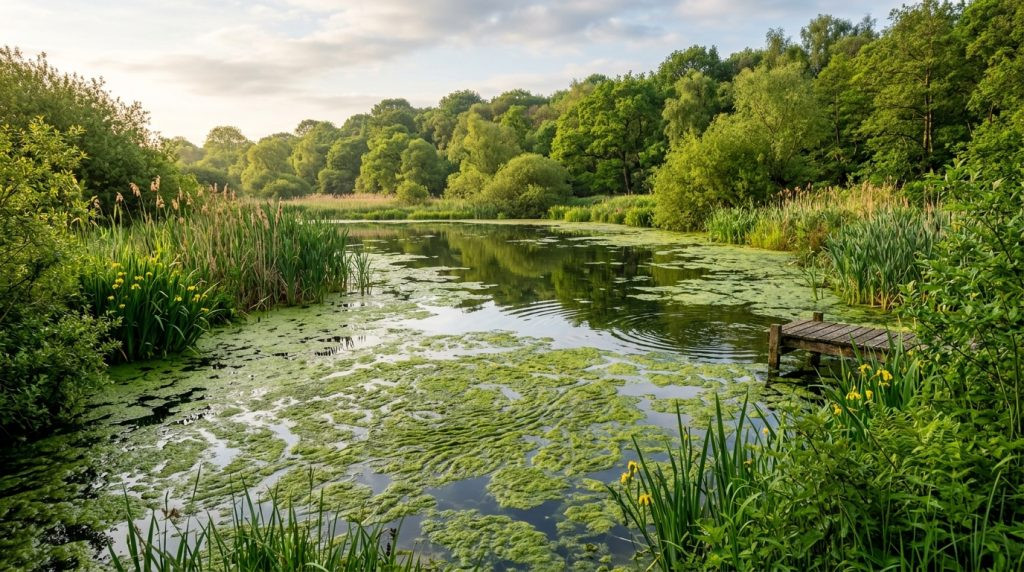
Advanced Pond Algae Control: Summer Solutions
For lakefront property owners, marina managers, and HOA representatives, the recurring battle against pond algae, especially during the peak summer months, can be a source of immense frustration. While basic treatments offer temporary relief, achieving lasting clarity and ecological balance demands a more sophisticated approach. This article dives into advanced pond algae control strategies, moving beyond superficial fixes to address the root causes of persistent blooms and implement integrated, long-term solutions that truly make a difference.
Understanding the Root Causes of Persistent Algae Blooms
Before implementing any advanced pond algae control strategy, it is crucial to understand why algae thrives in the first place. Algae blooms are not merely a nuisance; they are a symptom of an underlying imbalance within the aquatic ecosystem, often driven by excessive nutrient loading and specific environmental conditions.
The primary culprits are phosphorus and nitrogen, which enter ponds through various pathways such as stormwater runoff from fertilized lawns, septic system leaks, decaying organic matter, and even atmospheric deposition. These nutrients act as fertilizer for algae, leading to rapid proliferation, especially when combined with warm water temperatures and ample sunlight.
Beyond nutrient availability, factors like stagnant water, insufficient aeration, and an imbalanced aquatic plant community can exacerbate algae problems. Understanding these interconnected elements allows for the development of targeted, effective solutions rather than simply treating the visible symptoms.
Nutrient Loading and Its Impact
Nutrient loading is arguably the most significant driver of chronic algae issues. When phosphorus and nitrogen accumulate in a pond, they create an ideal environment for algae to flourish, often leading to dense mats or pea-soup-like conditions that deplete oxygen and harm aquatic life.
Sources of these nutrients are often external but can also be internal, such as the release of phosphorus from bottom sediments under anoxic conditions. Managing these inputs is a critical first step in any comprehensive advanced pond algae control program, requiring a holistic view of the surrounding landscape.
Environmental Factors and Algae Growth
Warm water temperatures and abundant sunlight are natural catalysts for algae growth, particularly during summer. However, when combined with high nutrient levels, these conditions create a perfect storm for severe and persistent blooms.
Stagnant water, often found in shallow, poorly circulated ponds, further contributes to the problem by allowing nutrients to concentrate and oxygen levels to drop, favoring algae over beneficial aquatic plants and organisms. Addressing these environmental factors is integral to long-term success.
Integrated Strategies for Advanced Pond Algae Control
Effective advanced pond algae control requires a multi-faceted approach that combines various techniques to address both the symptoms and the underlying causes. Relying on a single method rarely yields sustainable results, especially for persistent summer algae blooms.
An integrated strategy typically involves a combination of nutrient inactivation, biological augmentation, enhanced aeration, and targeted physical removal. The specific combination and timing of these methods are tailored to the unique characteristics of each pond, ensuring maximum efficacy.
This comprehensive approach aims to restore the pond's natural balance, making it less hospitable to nuisance algae while supporting a healthy, diverse aquatic ecosystem. It moves beyond reactive treatments to proactive management.
Nutrient Inactivation and Sequestration
One of the most effective ways to combat persistent algae is to limit its primary food source: phosphorus. Nutrient inactivation involves applying compounds that bind with phosphorus, making it unavailable for algae uptake.
Alum (aluminum sulfate) and Phoslock (lanthanum-modified bentonite clay) are common examples of phosphorus-binding agents. These treatments precipitate phosphorus out of the water column and lock it into the sediment, preventing its release and significantly reducing the potential for future blooms. This is a cornerstone of advanced pond algae control for nutrient-rich systems.
Biological Algae Control Methods
Biological methods leverage natural processes to control algae. This can include introducing beneficial bacteria and enzymes that consume excess nutrients, thereby outcompeting algae for resources.
Another biological approach involves cultivating a healthy population of native aquatic plants, which absorb nutrients directly from the water, shading the bottom and further limiting algae growth. Certain fish species, like grass carp, can also be used to control specific types of aquatic vegetation that might contribute to nutrient cycling, though their use requires careful consideration and permits.
Enhanced Aeration and Circulation
Aeration systems play a crucial role in advanced pond algae control by increasing dissolved oxygen levels throughout the water column, particularly at the bottom. This oxygenation prevents the release of phosphorus from sediments, which typically occurs in anoxic (low oxygen) conditions.
Furthermore, aeration creates circulation, disrupting the stratification that often leads to warm, nutrient-rich surface layers where algae thrive. Subsurface aeration systems, such as diffused air bubblers, are highly effective for larger ponds and lakes, promoting a healthier environment for beneficial organisms and reducing algae's competitive advantage.
Physical Removal and Prevention Techniques
While not a standalone solution, physical removal of existing algae mats can provide immediate relief and is often a necessary component of an integrated strategy, especially during severe blooms. This can involve skimming, raking, or using specialized aquatic tools to extract large quantities of algae.
Preventative physical measures include managing shoreline vegetation to reduce nutrient runoff, installing buffer zones, and ensuring proper drainage around the pond. Regularly removing decaying organic matter, such as leaves and grass clippings, also helps to reduce internal nutrient loading.
Selecting the Right Advanced Pond Algae Control Tools
Choosing the appropriate tools and technologies is paramount for successful advanced pond algae control. The selection process should be guided by a thorough assessment of the pond's size, depth, water chemistry, and the specific type of algae present.
Generic solutions often fall short when dealing with persistent algae issues. Instead, a tailored approach, utilizing specialized equipment and products, ensures that resources are invested wisely and yield the desired long-term results.
At Weeders Digest, we understand that every pond is unique, and our expertise lies in helping customers find perfect lake or pond management solutions tailored to their specific needs, from small ponds to extensive lakefront properties.
Specialized Algae Treatment Products
Beyond conventional algaecides, specialized products offer more targeted and environmentally conscious options for advanced pond algae control. These include beneficial bacteria blends designed to consume excess nutrients, enzymes that break down organic matter, and phosphorus-binding agents.
For specific types of algae, such as filamentous or planktonic varieties, there are also targeted algaecides that can be applied with precision, minimizing impact on non-target organisms. The key is to select products that address the specific algae species and underlying conditions without causing further ecological imbalance.
Aeration Systems: Diffused vs. Surface
The choice between diffused and surface aeration systems depends largely on the pond's characteristics. Diffused aeration, which uses an air compressor to pump air through diffusers placed at the pond bottom, is generally more effective for deeper ponds.
It promotes full water column circulation and oxygenation, preventing thermal stratification and improving overall water quality. Surface aerators, such as fountains or agitators, are better suited for shallower ponds or for aesthetic purposes, primarily oxygenating the upper water layers and providing some surface circulation.
Muck and Sediment Removal Tools
Accumulated muck and sediment at the pond bottom are significant internal sources of nutrients that fuel algae growth. Advanced pond algae control often includes methods for reducing or removing this organic material.
Tools like Lake Groomers and AquaThrusters are designed to agitate and move bottom sediments, preventing nutrient release and promoting a healthier substrate. In some cases, dredging may be necessary for severe muck accumulation, though this is a more intensive and costly operation.
Monitoring and Adaptive Management
Implementing advanced pond algae control is not a one-time event; it is an ongoing process that requires continuous monitoring and adaptive management. Pond ecosystems are dynamic, and conditions can change rapidly, necessitating adjustments to the management plan.
Regular testing of water quality parameters, observation of algae growth patterns, and evaluation of treatment effectiveness are critical components of this phase. This iterative process ensures that the strategies remain effective and responsive to the pond's evolving needs.
Weeders Digest offers solutions for continuous infestation of aquatic weeds and ongoing maintenance challenges, emphasizing a proactive and informed approach to pond health.
Regular Water Quality Testing
Consistent water quality testing provides invaluable data for understanding the pond's health and the efficacy of control measures. Key parameters to monitor include phosphorus and nitrogen levels, pH, dissolved oxygen, temperature, and alkalinity.
Tracking these metrics over time helps identify trends, pinpoint potential issues before they escalate, and inform decisions about adjusting treatment protocols. For instance, a sudden spike in phosphorus might indicate a new external nutrient source that needs to be addressed.
The U.S. Environmental Protection Agency provides extensive resources on water quality monitoring, which can serve as a valuable reference for property owners looking to understand these parameters better. Learn more about water quality standards and monitoring from the EPA.
Observing Algae Species and Growth Patterns
Different types of algae respond differently to various treatments. Identifying the specific species of algae present, whether it's filamentous, planktonic, or chara, helps in selecting the most appropriate and effective control methods.
Observing growth patterns, such as the location, density, and timing of blooms, can also provide clues about nutrient sources and circulation issues. This detailed observation allows for targeted interventions rather than broad, less effective applications.
Adjusting Strategies Based on Results
Adaptive management means being flexible and willing to modify the advanced pond algae control plan based on the results of monitoring. If a particular treatment is not yielding the desired outcome, it is essential to re-evaluate and try a different approach.
This might involve adjusting the dosage of a product, changing the type of aeration system, or implementing new nutrient reduction techniques. The goal is continuous improvement and long-term ecological stability, not just temporary suppression.
Why Weeders Digest is Your Advanced Algae Control Partner
When facing persistent and challenging algae issues, partnering with experienced professionals can make a significant difference. Advanced pond algae control demands not only the right tools but also the expertise to apply them effectively and sustainably.
At Weeders Digest, we pride ourselves on providing innovative solutions and expertise for lake and pond management. Our team understands the complexities of aquatic ecosystems and the nuances of various algae species, ensuring that our recommendations are both effective and environmentally sound.
We offer a wide range of products and tools designed to help waterfront owners manage aquatic weeds, muck, and algae, backed by extensive first-hand knowledge and a commitment to long-term success.
Expert Guidance and Tailored Solutions
Our approach begins with a thorough understanding of your specific pond challenges. We don't offer one-size-fits-all solutions; instead, we provide expert guidance to help you find the perfect lake or pond management solutions tailored to your specific needs.
All our agents possess extensive, first-hand knowledge of every product, ensuring you receive accurate and practical advice. This personalized consultation is crucial for developing an advanced pond algae control plan that truly addresses your unique situation.
Comprehensive Product Selection and Support
We offer the largest selection of unique and beneficial lake and pond solutions, covering everything from aquatic weeds, muck, and sediment to milfoil, hydrilla, lily pads, and cattails. Our inventory includes cutting-edge aeration systems, nutrient inactivators, biological treatments, and physical removal tools.
Beyond just products, our help desk is available 7 days a week, providing ongoing support and answering your questions regarding your specific situation. This continuous support ensures that you are never alone in your battle against persistent algae.
Long-Term Management and Prevention
Our expertise lies in offering practical, long-term solutions for various aquatic problems, emphasizing prevention and sustainable management. We help you move beyond reactive treatments to proactive strategies that maintain pond health year-round.
By addressing the root causes of algae blooms and implementing integrated strategies, we empower you to achieve lasting clarity and enjoy a healthier aquatic environment. Our goal is to equip you with the knowledge and tools for enduring success.
FAQs About Advanced Pond Algae Control
What are the signs that my pond needs advanced algae control rather than basic treatments?
If you've consistently applied basic algaecides or tried simple physical removal methods without achieving lasting results, and algae blooms return quickly or intensify, it's a strong indicator that advanced strategies are needed. Persistent summer algae blooms, especially those that cover large areas or cause foul odors, suggest underlying nutrient imbalances or circulation issues that basic treatments cannot resolve.
Additionally, if you observe a decline in fish health, murky water even after treatment, or a significant accumulation of muck at the pond bottom, these are all signs that your pond's ecosystem is out of balance and requires a more comprehensive, integrated approach to restore health. Advanced control focuses on addressing these root causes rather than just the visible symptoms, leading to more sustainable and effective long-term solutions for pond clarity.
How long does it take to see results from advanced algae control methods?
The timeline for seeing results from advanced pond algae control methods can vary significantly depending on the severity of the algae problem, the specific methods employed, and the initial condition of the pond. Some treatments, like targeted algaecides or physical removal, can provide noticeable improvements within days to a week.
However, methods aimed at addressing root causes, such as nutrient inactivation, biological augmentation, or the installation of aeration systems, typically require several weeks to months to establish a new ecological balance and show significant, lasting improvements. For heavily impacted ponds, a full season or even longer may be necessary to achieve optimal results and maintain long-term clarity. Consistency in monitoring and adaptive management is key to accelerating the process and ensuring the long-term success of these advanced strategies.
Can advanced algae control methods harm fish or other aquatic life?
When implemented correctly by knowledgeable professionals, advanced pond algae control methods are designed to be safe for fish and other aquatic life, and often improve overall ecosystem health. However, improper application of any treatment can pose risks. For instance, a rapid die-off of a large algae bloom can deplete oxygen levels, potentially harming fish.
This is why methods like aeration are often combined with algaecides to mitigate oxygen depletion. Nutrient inactivators, when applied at recommended dosages, are generally safe as they bind phosphorus without directly impacting organisms. Biological treatments, by their nature, enhance the natural ecosystem. It is crucial to follow product instructions carefully, consider the pond's specific conditions, and ideally consult with experts to ensure that chosen methods are both effective and environmentally responsible, protecting the pond's biodiversity.
Conquering persistent pond algae, especially during the challenging summer months, demands a shift from reactive spot treatments to a comprehensive, integrated approach. Understanding the underlying nutrient imbalances, leveraging advanced tools like nutrient inactivators and robust aeration, and committing to ongoing monitoring are fundamental to achieving lasting pond clarity and ecological health.
At Weeders Digest, we recognize that every aquatic environment presents unique challenges. Our team is dedicated to providing not just products, but also the expert guidance and tailored solutions necessary to address continuous infestations and ongoing maintenance challenges, ensuring your pond thrives.
Recent Posts
-

Tame Cattails with an Aquatic Vegetation Groomer
For lakefront property owners, encroaching cattails transform vibrant shorelines into dense, unusabl …8th Oct 2026 -

Seasonal Lake Weed Management: Local Help
Effective lake weed management local to your property requires more than just a generic approach; it …30th Sep 2026 -

Lake Weed Cutters: Manual vs. Motorized Options
Managing aquatic vegetation is a persistent challenge for lakefront property owners, marinas, and ho …23rd Sep 2026