

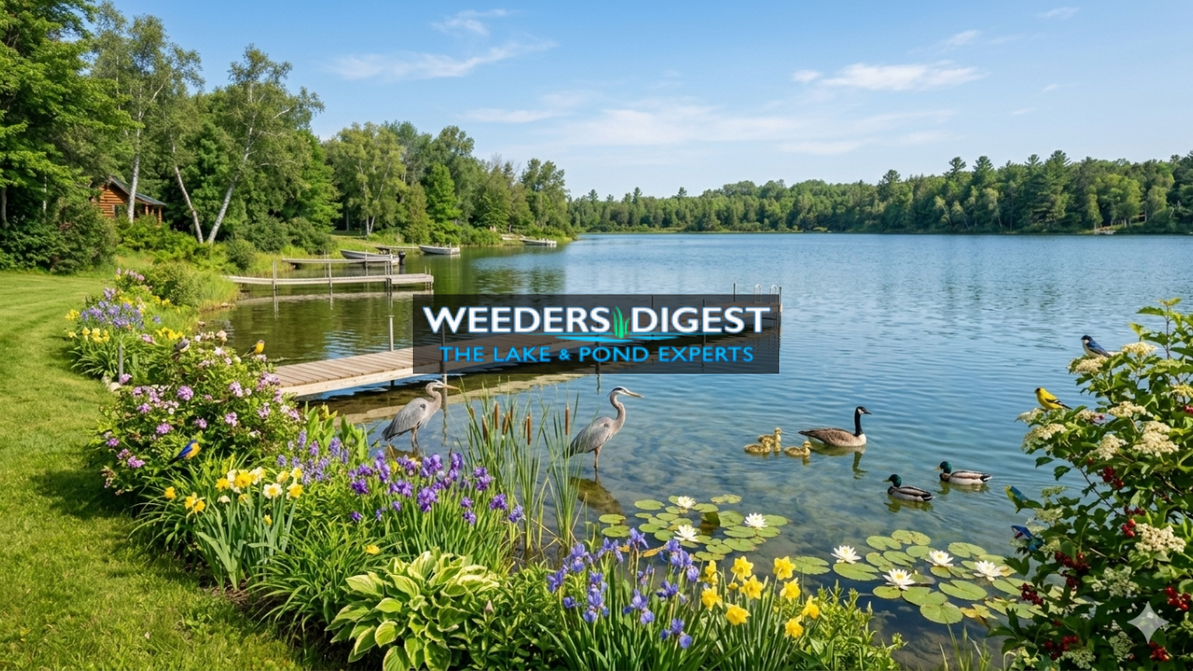
Beautiful Lakeside Ecosystem: How to Attract Wildlife to Your Lakefront
There is a certain kind of magic in a lakefront that’s truly alive. It’s in the way a morning coffee tastes better while watching a heron still as a statue in the shallows, or the sound of songbirds claiming the treeline as the mist lifts off the water.
A vibrant, bustling shoreline isn't just a backdrop, it’s a sign of a healthy, balanced ecosystem. But that kind of harmony doesn't usually happen by accident. It takes a little bit of intention and the right kind of stewardship to turn a simple yard into a sanctuary where local wildlife actually wants to settle in.
Understanding Lakeside Wildlife
Lakes are biological hotspots. You might spot graceful great blue herons stalking fish in the shallows, playful otters frolicking in the current, or painted turtles basking on logs. Birdlife is particularly abundant, with red-winged blackbirds and kingfishers making their homes at the water's edge.
Just like us, wildlife needs the basics to survive: food, water, shelter, and nesting sites. By providing these essential resources, property owners can create a welcoming environment that supports a wide range of species and contributes to the overall resilience of the lake.
Creating a Wildlife-Friendly Landscape
Planting Native Flora
The most effective way to attract wildlife is by planting native trees, shrubs, and wildflowers. Native plants are adapted to the local climate and provide the specific nutrition local fauna require. Wildflowers attract pollinators like bees and butterflies, which are the foundation of a healthy food web.
Providing Food and Water
Supplementing natural food sources can greatly enhance your property's appeal.
- Feeders: Bird feeders provide vital seeds during winter months.
- Berry Bushes: High-bush cranberries or elderberries offer nutritious treats.
- Water Features: While the lake is the main attraction, a small birdbath with a solar pump provides a safe, shallow place for birds to bathe away from larger predators.
Essential Shelter
Shelter provides protection from predators and harsh weather. Birdhouses offer safe nesting sites, while simple brush piles in secluded corners of the yard provide cover for small mammals, reptiles, and amphibians.
Minimizing Human Impact
To truly protect local fauna, lakefront homeowners must consider how their maintenance habits affect the ecosystem.
- Reduce Chemicals: Pesticides and herbicides can disrupt food chains or directly poison wildlife. For a safer alternative to chemical weed control, consider manual removal of lake and pond weeds using a professional-grade aquatic weed rake. This allows you to manage vegetation without introducing toxins into the water.
- Manage Erosion: Shoreline erosion degrades water quality and destroys habitat. Planting native vegetation creates a "buffer zone" that stabilizes the soil. The Environmental Protection Agency emphasizes that these natural buffers are the best way to protect wetland health.
- Control Light Pollution: Artificial light at night can disrupt migration and mating patterns. Use shielded fixtures that direct light downwards to maintain a natural environment for nocturnal species.
Observing and Appreciating Nature
Creating a wildlife haven also provides a front-row seat to nature's wonders. Setting up a bird-watching station with binoculars or a spotting scope can provide endless entertainment.
When observing, always practice responsible viewing: maintain a safe distance, stay on designated trails to avoid trampling nesting sites, and never feed wildlife human food, as it can disrupt their natural foraging behaviors.
Conclusion
Attracting wildlife to your lakefront enhances the beauty of your property and contributes to the overall health of the ecosystem. Whether you start by planting a single native tree or by swapping out chemicals for manual aquatic weed management tools, every action makes a difference. Embrace the opportunity to connect with nature and transform your shoreline into a thriving oasis.
Recommended Manual Weed Management Tools
To maintain your shoreline habitat without the use of harsh chemicals, we recommend these professional-grade manual tools:
- Lake Weed Cleanup Kit: The ultimate "one-two punch" featuring the Weed Shear to slice through submerged vegetation and the RakeZilla to easily gather and remove the debris.
- Weed Ripper: Designed to pull weeds out by the root, ensuring they don’t grow back quickly—perfect for creating clear swimming paths.
- Weed Ray: A versatile, towable tool that acts as both a cutter and a rake, allowing you to cover larger areas in less time.
- BeachRoller: A simple but powerful tool that cuts weeds and agitates the lake bottom to remove muck, leaving you with a firm, sandy floor.
Frequently Asked Questions
Q: What are the best native plants to attract pollinators?
A: Native wildflowers like milkweed, coneflowers, and black-eyed Susans are excellent choices for providing nectar and pollen for bees and butterflies.
Q: How can I manage aquatic weeds naturally?
A: Manual removal is the most eco-friendly method. Tools like the Weed Shear allow you to cut submerged weeds at the base without harming the surrounding water quality.
Q: How can I keep the lake bottom healthy for fish?
A: Reducing muck and maintaining high oxygen levels are key. We recommend a two-pronged approach using biological treatments and aeration:
- Biological Muck Reduction: Our Standard Muck Reducer Tablets are perfect for summer. For the off-season, we’ve introduced our new Cold Water Muck Reducer. These tablets are a breakthrough in lake care, containing specialized bacterial strains that remain active in water temperatures as low as 38°F. This allows you to continue digesting organic sludge and "muck" throughout the fall and early spring, preventing the spring nutrient spike that leads to massive weed growth.
- Aeration Solutions: High oxygen levels support fish and speed up the decomposition of organic waste. We offer Surface Aerators for rapid oxygen transfer, Home Series Diffused Air Systems for deep-water circulation in ponds up to 2 acres, and Decorative Fountains that combine beautiful water displays with essential aeration.
Recent Posts
-
Duckweed vs. Algae: How to Tell the Difference and Treat Accordingly
Duckweed vs. Algae: Spot the Difference When it comes to maintaining a healthy pond or lake, identif …3rd Apr 2026 -
How to Choose the Right Muck Reducer for Your Lake or Pond
Choosing Pond Muck Remover: Factors to Consider Pond muck is an inevitable part of any aquatic ecosy …3rd Apr 2026 -
The Benefits of Using Cold Water Muck Reducers in Early Spring
Early Spring Muck Reducer Benefits As winter loosens its grip, lakehome and pond owners start thinki …1st Apr 2026