

Lake Harvester for Sale: Your Buying Guide
Managing aquatic vegetation is a persistent challenge for many lakefront property owners, marina operators, and community associations. When manual removal becomes impractical or ineffective, investing in a robust solution like a lake weed harvester becomes a critical consideration. These specialized machines are designed to efficiently cut, collect, and remove nuisance weeds, restoring the aesthetic and recreational value of your waterbody. Choosing the right harvester involves understanding your specific weed types, the size of the area to be managed, and the unique characteristics of your lake or pond.
The decision to purchase a lake harvester represents a significant investment in the long-term health and usability of your aquatic environment. It moves beyond temporary fixes, offering a sustainable approach to maintaining clear water. This guide will walk you through the essential factors to consider, helping you navigate the options available and make an informed choice that aligns with your needs and budget.
Understanding Your Aquatic Weed Problem
Before exploring any lake harvester for sale, a thorough understanding of the specific aquatic weed problem is paramount. Different types of weeds require different approaches and equipment, and misidentifying the problem can lead to ineffective solutions and wasted resources.
Submerged weeds like Eurasian watermilfoil or hydrilla often require cutting and removal from the lakebed, while emergent weeds such as cattails or lily pads necessitate surface-level cutting and extraction. Free-floating algae, on the other hand, typically respond better to chemical treatments or biological controls rather than mechanical harvesting. Accurately identifying the dominant weed species is the foundational step in selecting the most appropriate harvester.
Beyond identification, assessing the density and distribution of the weeds is crucial. A sparse, localized patch might be manageable with smaller, more agile equipment, whereas a widespread, dense infestation across a large area demands a heavy-duty, high-capacity machine. Understanding the scope of the problem directly informs the scale and power requirements of the harvester you will need.
Common Aquatic Weed Types and Their Challenges
Each aquatic weed presents unique challenges for removal. Eurasian watermilfoil, for instance, is notorious for its rapid growth and ability to fragment, with each fragment capable of rooting and forming a new plant, making thorough collection essential.
Lily pads, with their extensive root systems and broad floating leaves, require equipment capable of cutting tough stems and collecting large volumes of biomass. Cattails, often found in shallow, marshy areas, demand robust cutting mechanisms and the ability to operate in varying water depths. Recognizing these specific characteristics helps in evaluating a harvester's suitability.
Types of Lake Harvesters Available
The market offers a range of lake harvesters, each designed with specific operational capabilities and suited for different aquatic environments and weed types. Understanding these distinctions is key to selecting a machine that will effectively address your particular challenges.
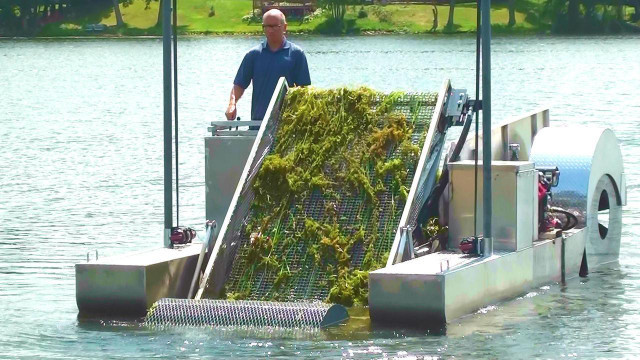
Mechanical harvesters are the most common type, resembling large floating lawnmowers that cut weeds below the water surface and then convey them onto a storage platform. These machines are highly effective for dense infestations of submerged and emergent vegetation, offering significant biomass removal in a single pass.
Cutter/suction harvesters, also known as hydraulic dredges, combine cutting blades with a powerful suction system to remove weeds, muck, and sediment from the lakebed. This method is particularly effective for rooted weeds and addressing accumulated organic matter, providing a deeper clean than traditional mechanical harvesters. Battery-powered harvesters offer a quieter, emission-free alternative, ideal for smaller lakes or environmentally sensitive areas where noise and fuel emissions are a concern.
Mechanical Harvesters: Power and Capacity
Traditional mechanical harvesters are workhorses for large-scale aquatic weed removal, characterized by their cutting bars and conveyor systems. These machines can clear vast areas efficiently, cutting weeds at depths typically ranging from a few inches to several feet below the surface.
Their primary advantage lies in their ability to remove large quantities of plant material, which is crucial for preventing regrowth from fragments and reducing nutrient loads in the water. However, they require careful operation to avoid disturbing the lakebed excessively and often need support vessels for offloading collected weeds.
Cutter/Suction Harvesters: Precision and Muck Removal
Cutter/suction harvesters provide a more comprehensive solution by not only removing weeds but also addressing accumulated muck and sediment. Their hydraulic cutting heads can precisely target rooted vegetation and organic debris, effectively cleaning the lakebed.
This method is particularly beneficial for restoring water depth and improving overall water quality by removing nutrient-rich sediment that fuels weed growth. While generally slower than mechanical harvesters, their ability to perform a deeper clean makes them invaluable for long-term lake restoration projects.
Battery-Powered and Eco-Friendly Options
For those seeking a quieter and more environmentally conscious approach, battery-powered lake harvesters offer a compelling alternative. These machines operate with minimal noise and zero emissions, making them suitable for residential areas or protected natural habitats.
While their capacity and operational range might be less than their gas-powered counterparts, advancements in battery technology are continually improving their performance. They are an excellent choice for smaller bodies of water or for targeted weed removal where environmental impact is a primary concern.
Key Features to Look for in a Lake Harvester for Sale
When evaluating a lake harvester for sale, several key features directly impact its efficiency, ease of use, and overall effectiveness. Focusing on these aspects will ensure you select a machine that not only performs well but also aligns with your operational needs.
Consider the cutting depth and width, as these determine how much area can be covered and how deep the weeds can be cut. A wider cutting path reduces the number of passes required, while adjustable cutting depth allows for versatility across different weed types and water levels. The harvesting capacity, measured by the volume or weight of weeds it can collect before needing to offload, is also critical for productivity.
Maneuverability is another vital feature, especially for lakes with irregular shorelines, docks, or other obstacles. Harvesters with good turning radii and responsive controls can navigate complex areas more effectively. Additionally, evaluate the ease of maintenance and the availability of spare parts, as these factors contribute significantly to the long-term operational cost and uptime of the equipment.
Cutting Depth and Width
The cutting depth of a harvester dictates how far below the water surface it can sever aquatic vegetation. For most submerged weeds, a depth of 4-6 feet is often sufficient, but some species may require deeper cuts to remove their root crowns effectively.
The cutting width, on the other hand, directly impacts the speed of operation. A wider cutting bar means fewer passes are needed to clear a given area, significantly improving efficiency for larger bodies of water. Balancing these two features with the specific weed problem is essential for optimal performance.
Adjustable cutting depth is a highly desirable feature, allowing operators to adapt to varying water levels and target different weed species. This flexibility ensures that the harvester can be used effectively throughout the season and across diverse aquatic environments, maximizing its utility.
Harvesting Capacity and Offloading Systems
The harvesting capacity refers to the volume or weight of weeds a machine can hold before needing to offload. A higher capacity reduces the frequency of trips to the shoreline or a support vessel, thereby increasing operational efficiency and reducing downtime.
Efficient offloading systems are equally important. Some harvesters feature onboard conveyors that can transfer weeds directly to a shore-based truck or trailer, while others may require a separate support barge or a specialized offloading system. The choice depends on the scale of operation and available shore access.
Engine Type and Fuel Efficiency
The engine type significantly influences a harvester's power, noise level, and environmental impact. Diesel engines typically offer robust power and torque, suitable for larger, heavy-duty machines and prolonged operation.
Gasoline engines are common in smaller to medium-sized harvesters, offering a balance of power and cost-effectiveness. Electric or battery-powered options provide a quiet, emission-free operation, ideal for sensitive areas, though they may have limitations in run time and power compared to combustion engines. Fuel efficiency is a critical long-term cost factor, especially for machines intended for extensive use.
Matching a Lake Harvester to Your Specific Needs
The true value of a lake harvester lies in its ability to effectively address your unique aquatic challenges. This requires a careful matching process, considering not just the machine's capabilities but also the characteristics of your lake and your operational constraints.
For instance, a small, shallow pond with lily pads might be best served by a compact, battery-powered harvester that can easily navigate tight spaces and operate quietly. Conversely, a large, deep lake heavily infested with milfoil would demand a high-capacity mechanical harvester with a wide cutting path and robust offloading capabilities.
Consider the accessibility of your shoreline for offloading, the presence of sensitive aquatic life, and local regulations regarding mechanical weed removal. These factors will guide your decision towards a harvester that is not only effective but also practical and compliant. The goal is to find a solution that provides lasting relief from aquatic weeds without creating new problems.
Considerations for Lake Size and Depth
The size of your lake or pond directly dictates the scale of the harvester required. Smaller water bodies (under 5 acres) can often be managed with more compact, agile machines, while larger lakes (over 10 acres) necessitate industrial-grade harvesters for efficient coverage.
Water depth is equally important. Harvesters have specific operational depth ranges; some are designed for very shallow waters, while others can cut weeds several feet deep. Ensure the chosen model's cutting depth aligns with the deepest extent of your weed growth.
Weed Type and Density
As previously discussed, the specific type of weed and its density are primary drivers in harvester selection. Tough, fibrous weeds like cattails require robust cutting blades, while dense mats of submerged vegetation demand high-capacity collection systems.
For very dense infestations, a harvester with a powerful engine and a wide, aggressive cutting bar will be more effective. Conversely, for lighter, more scattered weed growth, a smaller, more maneuverable unit might suffice, reducing initial investment and operational costs.
Environmental Impact and Regulations
Environmental considerations and local regulations play a significant role in harvester selection. Some regions have strict rules regarding noise pollution, fuel emissions, or the disturbance of sensitive habitats.
In such cases, electric or battery-powered harvesters may be the only permissible option. Always consult with local environmental agencies or lake associations to ensure compliance with all relevant permits and regulations before purchasing and operating any aquatic weed control equipment.
Maintenance and Long-Term Value of Your Lake Harvester
Investing in a lake harvester is a long-term commitment, and its ongoing performance and lifespan are heavily dependent on proper maintenance. Neglecting routine care can lead to costly repairs, reduced efficiency, and premature equipment failure, diminishing the overall value of your investment.
Regular maintenance includes daily checks of fluid levels, lubrication of moving parts, and inspection of cutting blades for wear and damage. After each use, it is crucial to clean the harvester thoroughly to remove any residual plant material, which can cause corrosion or clog components. Adhering to the manufacturer's recommended service schedule for engine tune-ups, hydraulic system checks, and conveyor belt adjustments will ensure optimal operation.
Beyond routine upkeep, proper off-season storage is vital. Draining fuel tanks, disconnecting batteries, and protecting components from the elements will prevent deterioration during periods of inactivity. A well-maintained harvester not only performs reliably but also retains its value, offering a greater return on your initial investment over many years of service.
Routine Maintenance Schedule
Establishing and adhering to a routine maintenance schedule is paramount for the longevity and efficiency of your lake harvester. This typically involves daily pre-operation checks, weekly inspections, and seasonal servicing.
Daily tasks should include checking oil and coolant levels, inspecting cutting blades for sharpness and damage, and ensuring all safety guards are in place. Weekly maintenance might involve lubricating grease points, checking hydraulic hoses for leaks, and cleaning air filters.
Seasonal maintenance, often performed before and after the primary operating season, is more comprehensive. This includes changing engine oil and filters, inspecting conveyor belts, checking electrical systems, and addressing any wear and tear on critical components. Consistent adherence to this schedule minimizes breakdowns and extends the harvester's operational life.
Common Wear Parts and Replacements
Like any heavy machinery, lake harvesters have wear parts that require periodic replacement. The most common include cutting blades, conveyor belts, hydraulic hoses, and various bearings and seals.
Cutting blades, especially, endure significant stress and will dull or chip over time, necessitating sharpening or replacement to maintain cutting efficiency. Conveyor belts can stretch, crack, or tear, impacting their ability to transport weeds effectively. Keeping a stock of essential spare parts or knowing where to quickly source them is crucial for minimizing downtime during the peak season.
Winterization and Storage
Proper winterization is essential for protecting your lake harvester during colder months and ensuring it's ready for operation come spring. This process involves several critical steps to prevent damage from freezing temperatures and prolonged storage.
Key steps include thoroughly cleaning the entire machine, draining all water from pumps and lines, stabilizing fuel, changing engine oil and filters, and removing and storing batteries in a warm, dry place. Covering the harvester with a durable, breathable cover and storing it in a sheltered location will protect it from harsh weather and extend its overall lifespan.
Why Choose Weeders Digest for Your Lake Harvester?
Navigating the complexities of purchasing a lake harvester requires expert guidance to ensure you make the best decision for your specific aquatic management needs. At Weeders Digest, we pride ourselves on providing comprehensive support and unparalleled product knowledge to our customers.
Our team possesses extensive, first-hand knowledge of every item we sell, ensuring that you receive expert guidance tailored to your unique situation. We understand that each lake and pond presents its own set of challenges, from persistent milfoil infestations to ongoing muck accumulation, and we are dedicated to helping you find the perfect solution.
We don't just sell equipment; we offer solutions for continuous infestation of aquatic weeds, muck, and ongoing maintenance challenges. Our goal is to empower you with the right tools and knowledge to achieve lasting clarity and health for your waterbody. When you're looking for a lake harvester for sale, our expertise becomes your advantage.
Frequently Asked Questions About Lake Harvesters
How often should a lake be harvested?
The frequency of harvesting depends heavily on the specific weed species, their growth rate, and the desired aesthetic or recreational use of the waterbody. For rapidly growing invasive species like Eurasian watermilfoil, multiple harvests per season (e.g., every 4-6 weeks) may be necessary to keep growth in check and prevent seed production.
Conversely, slower-growing native species might only require one or two harvests annually, or even less frequently, simply to maintain clear access. It is crucial to monitor weed regrowth and adjust your harvesting schedule accordingly, aiming to remove biomass before it becomes a dense mat. Environmental factors such as nutrient levels and water temperature also influence growth rates, so a flexible approach based on observation is often most effective. Regular assessments of your lake's condition will help determine the optimal harvesting frequency to maintain desired water quality and usability.
What are the environmental impacts of mechanical harvesting?
Mechanical harvesting, when performed correctly, is generally considered an environmentally friendly method of aquatic weed control compared to chemical treatments. Its primary benefit is the physical removal of biomass, which also extracts nutrients from the water column, potentially reducing future weed growth and improving water quality.
However, there are potential impacts to consider. Improper operation can stir up bottom sediments, temporarily increasing turbidity and potentially releasing nutrients back into the water. There is also a risk of fragmenting certain weed species, like milfoil, which can lead to their spread if not thoroughly collected.
To minimize negative impacts, operators should adhere to best management practices, including careful navigation, proper offloading of harvested material, and avoiding sensitive areas. Consulting with local environmental authorities to understand specific regulations and protected species in your area is always recommended.
Can a lake harvester remove muck and sediment?
While traditional mechanical harvesters are primarily designed for cutting and collecting aquatic vegetation, some specialized models, particularly cutter/suction harvesters, are highly effective at removing muck and sediment. These machines combine cutting mechanisms with powerful pumps to dredge accumulated organic material from the lakebed.
The ability to remove muck is a significant advantage, as excessive sediment accumulation contributes to shallow areas, poor water quality, and provides a nutrient-rich substrate for weed growth. By removing this material, these harvesters can restore water depth and significantly improve the overall health of the aquatic ecosystem.
It's important to distinguish between harvesters designed for vegetation removal and those capable of dredging. If muck and sediment are a primary concern, explicitly look for a lake harvester for sale with dredging capabilities or consider a dedicated hydraulic dredge for the most effective results.
Choosing the right lake harvester is a strategic decision that directly impacts the long-term health and usability of your aquatic environment. By thoroughly understanding your specific weed problem, evaluating the various types and features of harvesters available, and considering the practicalities of operation and maintenance, you can make an informed investment that yields significant returns in water clarity and recreational enjoyment.
At Weeders Digest, we understand the unique challenges associated with aquatic weed management and are committed to providing tailored solutions. Our deep product knowledge and hands-on experience ensure that we can guide you to the ideal equipment, offering ongoing support to address continuous infestations and maintenance needs.
Recent Posts
-
Tame Cattails with an Aquatic Vegetation Groomer
For lakefront property owners, encroaching cattails transform vibrant shorelines into dense, unusabl …8th Oct 2026 -
Seasonal Lake Weed Management: Local Help
Effective lake weed management local to your property requires more than just a generic approach; it …30th Sep 2026 -
Lake Weed Cutters: Manual vs. Motorized Options
Managing aquatic vegetation is a persistent challenge for lakefront property owners, marinas, and ho …23rd Sep 2026