

Maximize Your Pond Enjoyment: Essential Spring Pond Maintenance Tips
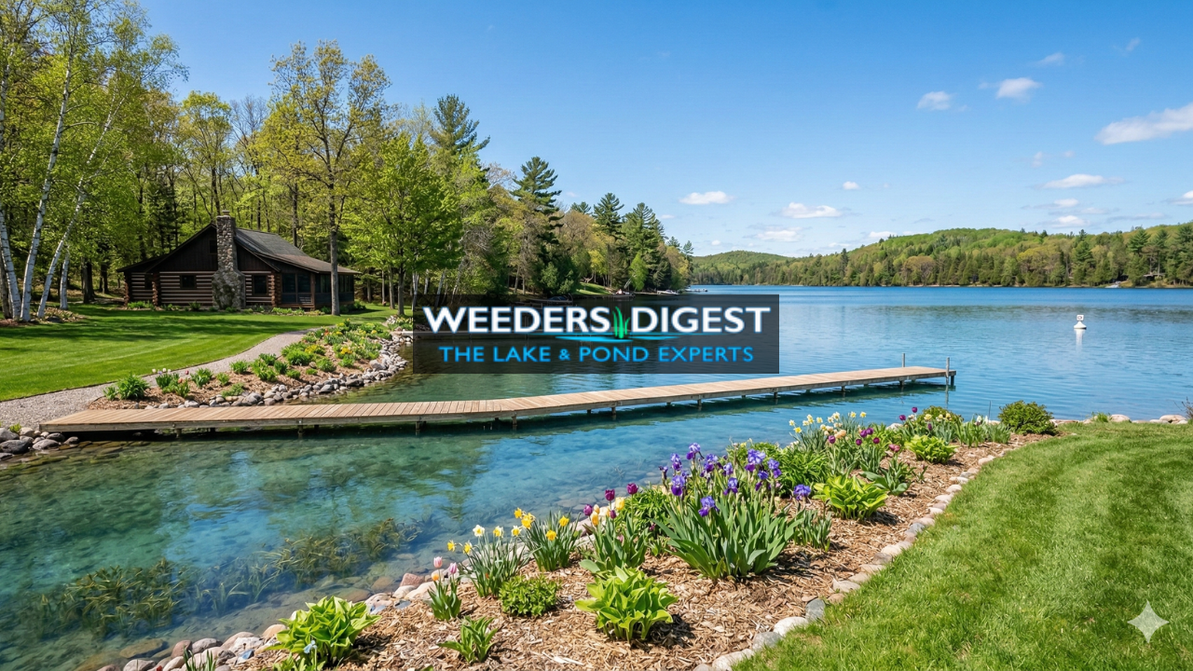
There is nothing quite like springtime on the pond. As the ice melts and the birds return, the water begins to sparkle in the sun again. After a long winter, those first few warm days on the dock serve as a reminder of why pond living is so highly valued.
However, that enjoyment relies on proactive spring cleaning. Neglecting a pond after winter can lead to nutrient imbalances, unchecked weed growth, and muck accumulation. Spring pond maintenance is essential for ensuring a healthy ecosystem and keeping waterfront property in peak condition. Taking action now prevents major headaches by mid-summer.
Understanding Spring Pond Needs
The Impact of Winter
Winter is tough on shoreline ecosystems. As ice expands, it can damage structures, while melting snow carries a heavy load of organic debris like leaves, branches, and dead vegetation into the basin. As the water warms, this debris decomposes, releasing a nutrient spike of phosphates and nitrates that fuels massive algae blooms.
Taking Control
Property owners who prioritize a structured cleanup empower a healthy season. Skipping spring maintenance is often a recipe for disaster; by August, a pond can become a tangled mess of weeds and algae. Consistent care ensures the water remains an asset rather than a chore.
Essential Spring Pond Maintenance Tasks
Cleaning and Debris Removal
The first step is removing the winter load. Organic matter that settled at the bottom will eventually turn into foul-smelling muck if left alone. While manual pond rakes and skimmers work for surface debris, the bottom requires a more heavy-duty approach.
For the most efficient cleanup, use the RakeZilla. It is a top-rated tool for collecting submerged weeds and heavy organic matter. Removing this debris early prevents it from decomposing and feeding the very weeds that owners seek to avoid.
Shoreline and Structure Inspection
Inspect the shoreline for erosion caused by ice shove or heavy runoff. If the banks are receding, they may need to be stabilized with native plantings or rock. This is also the time to check docks and aeration systems for any winter wear. Professional-grade shoreline solutions can be found through various erosion control and restoration tools.
Water Quality Testing
Testing the water is crucial for understanding its chemical balance. High levels of ammonia or phosphorus are early warning signs of an impending algae bloom. Guidance on restoring ecosystems is available through the Environmental Protection Agency, which highlights the importance of nutrient management for healthy water bodies.
Promoting a Healthy Pond Ecosystem Naturally
The Power of Aeration and Circulation
Aeration acts as the lungs of a pond. It increases oxygen levels, which is vital for fish and the beneficial bacteria that digest muck. A well-oxygenated pond breaks down organic waste much faster than a stagnant one. Stagnant water is where muck and weeds thrive, turning a beautiful pond into a frustrating mess.
To keep water moving and prevent debris from settling in the first place, the AquaThruster is a highly effective, localized solution. By creating a continuous current, it prevents muck from accumulating around docks and boat lifts, naturally starving out weeds by blowing away their nutrient source. This is the ultimate "clean sweep" for high-traffic or critical dock areas.
Complete Pond Restoration
A great way to reset your pond for the spring and address the entire water body is to add diffused air. This is especially true for larger systems; if you manage a 1-2 acre pond, we have the perfect product for you! The Home Series Diffused Air System is specifically engineered for this scale.
A diffused air system uses a shoreline compressor to pump air through weighted tubing to diffusers strategically placed on the pond bottom. The rising air bubbles lift low-oxygen bottom water to the surface, creating circulation that effectively mixes the entire water column. This adds crucial oxygen, reduces muck buildup, and helps limit algae growth across the entire 1–2 acre area.
Natural Muck Reduction
For property owners without power at the shore, or those seeking a non-mechanical way to clean the pond bottom, probiotics are the answer. Muck Reducer Tablets use beneficial bacteria to naturally digest the sludge layer.
For a complete strategy, the Year Round Muck Reducer Combo Kit ensures the pond stays healthy through every season. These treatments reduce the phosphates and nitrates that fuel weeds, all without requiring a permit or harsh chemicals.
Targeted Weed Control
If manual raking is insufficient for thick, rooted weeds, specialized cutting tools are necessary. The WeedShear is designed to slice through submerged vegetation at the base, making it easy to rake away the remnants. For those who prefer to pull weeds out by the root to ensure they do not grow back, the Weed Ripper is the preferred choice for deep-rooted infestations.
A well-maintained pond is a valuable asset that enhances a property and provides endless enjoyment. Investing time in spring maintenance ensures a beautiful, healthy oasis for the rest of the year. By following these essential steps, lakefront owners can protect their local ecosystem and ensure their pond remains a source of pride all season long.
Frequently Asked Questions
1. How often should pond water be tested?
It is best to test at least once a month during spring and summer. This helps catch nutrient spikes early before they turn into a full-blown algae crisis.
2. What is the best way to get rid of algae without chemicals?
Increasing aeration and using beneficial bacteria are the best natural defenses. Aeration keeps oxygen levels high, while bacteria treatments consume the nutrients that algae need to survive.
3. How can muck be prevented from accumulating on the pond bottom?
A combination of a water circulator like the Aqua Thruster (to keep sediment moving) and regular applications of Muck Reducer Tablets (to digest existing organic matter) will keep a pond bottom firm and sandy.
Recent Posts
-

Beautiful Lakeside Ecosystem: How to Attract Wildlife to Your Lakefront
There is a certain kind of magic in a lakefront that’s truly alive. It’s in the way a morning coffee …18th Mar 2026 -

Lake Weed Harvester: Match the Machine to Your Lake
Lake Weed Harvester: Match the Machine to Your Lake Maintaining a healthy and aesthetically pleasing …11th Mar 2026 -

Maximize Your Pond Enjoyment: Essential Spring Pond Maintenance Tips
There is nothing quite like springtime on the pond. As the ice melts and the birds return, the water …4th Mar 2026