

Motorized Lake Weed Cutters: August’s Top Picks
August often brings the peak of aquatic weed growth, transforming once-pristine swimming areas and boat paths into dense, uninviting tangles. For lakefront property owners, marina managers, and HOA representatives facing this challenge, a reliable motorized lake weed cutter becomes an indispensable tool. These powerful machines offer an efficient and less labor-intensive alternative to manual removal, allowing you to reclaim your waterfront quickly and effectively during the critical late summer months.
Understanding the various types and capabilities of these cutters is crucial for selecting the right solution to tackle specific weed infestations and lake conditions. This guide will dive into the practical aspects of choosing, operating, and maintaining your aquatic weed removal equipment, ensuring you make an informed decision for lasting results.
Why August Demands a Motorized Lake Weed Cutter
As summer progresses into August, water temperatures consistently remain high, creating ideal conditions for rapid and aggressive aquatic plant proliferation. Many common lake weeds, such as milfoil, hydrilla, and pondweed, reach their maximum density and height during this period, often forming thick mats that impede recreational activities and detract from the aesthetic appeal of your property.
Manual removal methods, while sometimes effective for small, isolated patches, become overwhelmingly labor-intensive and time-consuming when confronted with widespread August growth. Attempting to clear large areas by hand can be exhausting and often yields temporary results, as remaining root fragments quickly regenerate. This is precisely where the efficiency and power of a motorized lake weed cutter prove invaluable, offering a practical solution for significant infestations.
Furthermore, dense weed growth can negatively impact water quality by reducing oxygen levels, especially at night, which can stress fish and other aquatic life. Clearing these weeds not only improves accessibility and aesthetics but also contributes to a healthier aquatic ecosystem by allowing more sunlight to penetrate and reducing decaying organic matter. Addressing these issues promptly in August prevents them from worsening into the fall.
Understanding Different Types of Aquatic Weed Cutters
The market offers a range of motorized solutions designed to tackle various types of aquatic vegetation and lake conditions. Each type has distinct advantages and is best suited for particular applications, making it essential to understand their operational principles and limitations before making a selection.
From specialized cutting boats to versatile shore-based systems, these machines are engineered to provide efficient removal. The choice often depends on the size of the area to be cleared, the specific types of weeds present, and the depth of the water.
Submersible Weed Cutters
Submersible weed cutters are designed to operate entirely underwater, often mounted on the front of a small boat or a specialized floating platform. These units typically feature rotating blades or reciprocating cutter bars that sever vegetation at or near the lakebed.
Their primary advantage lies in their ability to cut weeds below the water surface, which is ideal for clearing navigation channels and swimming areas without leaving unsightly floating debris immediately visible. They are particularly effective against rooted submerged weeds like milfoil and hydrilla, cutting them at their base for more thorough removal.
However, submersible cutters generally require retrieval of the cut vegetation, as severed plants can float away and re-root or decompose, contributing to muck. This often necessitates a follow-up raking or collection effort to ensure complete removal and prevent future growth.
Surface Weed Harvesters
Surface aquatic weed harvesters, often larger and more robust, are essentially floating barges equipped with cutting and collection mechanisms. These machines cut weeds at a predetermined depth, usually just below the surface, and then convey the severed vegetation onto the vessel for storage.
These harvesters are highly efficient for large-scale operations and dense surface mats of weeds, such as lily pads or cattails, as they both cut and collect in a single pass. Their capacity to hold significant amounts of biomass reduces the need for frequent offloading, making them suitable for extensive areas.
While incredibly effective for bulk removal, surface harvesters are typically more expensive to purchase and operate, often requiring specialized transport and trained personnel. They are generally employed by municipalities, large HOAs, or commercial lake management services rather than individual property owners.
Shore-Based and Dock-Mounted Systems
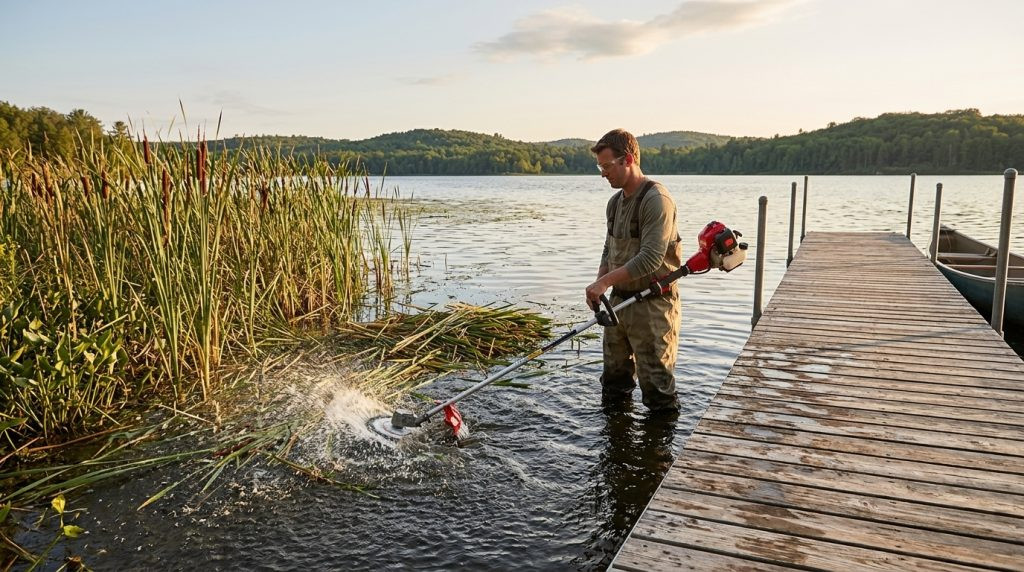
For smaller areas or properties with limited access for boats, shore-based or dock-mounted systems offer a practical alternative. These units typically consist of a long-reach cutting head, often with reciprocating blades, powered by an electric or gas motor and operated from the shoreline or a dock.
Their key benefit is accessibility, allowing property owners to clear weeds without needing a boat or entering the water. They are excellent for maintaining immediate swimming areas, boat lanes near docks, and shallow coves where larger vessels cannot easily maneuver. These systems are often more affordable and easier to store than boat-mounted options.
The reach of these systems is limited, typically extending only a certain distance from the shore or dock, which means they are not suitable for clearing large expanses of a lake. They also require manual retrieval of cut weeds, similar to submersible cutters, to prevent re-rooting or decomposition.
Choosing the Right Motorized Lake Weed Cutter for Your Needs
Selecting the optimal motorized lake weed cutter involves a careful assessment of your specific lake conditions, the types of weeds you are battling, and your budget. A well-matched tool will maximize efficiency and provide the most effective long-term solution for your property.
Consider the scope of your weed problem and the physical characteristics of your waterfront to narrow down the options. The goal is to find a system that not only addresses current growth but also fits seamlessly into your ongoing lake management strategy.
Assessing Your Lake and Weed Conditions
The first step in choosing a motorized lake weed cutter is to thoroughly evaluate the characteristics of your lake and the specific aquatic plants present. Different weeds respond best to different cutting methods, and water depth, bottom composition, and overall area size all play a critical role in determining the most effective equipment.
For instance, if you are dealing with dense mats of submerged weeds like Eurasian watermilfoil in deeper water, a boat-mounted submersible cutter might be most effective. Conversely, if your primary concern is surface-level growth such as lily pads or cattails in shallower areas near your dock, the Aquatic Vegetation Groomer is your ideal tool.
Key Features to Look For
When evaluating different motorized lake weed cutter models, several key features contribute to their effectiveness, durability, and ease of use. Prioritizing these aspects will help ensure your investment provides long-lasting value and performance.
Look for robust construction materials, particularly for blades and cutting mechanisms, as they will be subjected to abrasive aquatic environments. Adjustable cutting depths are crucial for targeting different weed heights and water levels, while powerful engines or motors ensure efficient operation through dense vegetation.
Consider the ease of maneuverability, especially if you have tight spaces or obstacles in your lakefront. User-friendly controls, safety features, and straightforward maintenance requirements are also important factors that will enhance your overall experience and the longevity of the equipment.
Maximizing Efficiency and Longevity
Owning a motorized lake weed cutter is only part of the solution; maximizing its efficiency and ensuring its longevity requires proper operational techniques and consistent maintenance. Adhering to best practices will not only yield better results in weed removal but also protect your investment for years to come.
Strategic timing of your cutting efforts and diligent post-operation care are crucial for sustained performance and preventing premature wear and tear. These steps ensure that your equipment remains a reliable tool in your ongoing lake management efforts.
Optimal Timing for Weed Cutting
The timing of your weed cutting operations significantly impacts their effectiveness and the long-term health of your lake. Cutting at the right time can prevent seed dispersal, reduce nutrient cycling, and make subsequent removal efforts easier.
Early to mid-August is often an ideal window for many areas, as weeds have reached substantial growth but may not have fully gone to seed. Cutting before seed dispersal helps prevent the spread of new plants in subsequent seasons. Multiple cuts throughout the growing season, rather than a single annual effort, can also effectively manage persistent weed problems by depleting the plant's energy reserves.
Avoid cutting too late in the season, as decaying vegetation can contribute to muck accumulation and nutrient release, potentially fueling future weed growth. Coordinating cutting with collection efforts is also vital to prevent severed plants from re-rooting or drifting to other areas.
Maintenance Tips for Your Motorized Lake Weed Cutter
Regular and thorough maintenance is essential for extending the life of your motorized lake weed cutter and ensuring it operates at peak performance. Neglecting routine care can lead to costly repairs and reduced efficiency, especially given the harsh aquatic environment these machines operate in.
After each use, thoroughly rinse the cutter with fresh water to remove any plant debris, mud, or corrosive lake water. Pay close attention to blades, gears, and moving parts. Inspect blades for sharpness and damage, sharpening or replacing them as needed to maintain cutting effectiveness.
Regularly check and lubricate all moving components according to the manufacturer's instructions. For gas-powered models, ensure proper fuel storage and engine maintenance, including oil changes and spark plug inspections. Proper winterization is also critical for protecting the equipment during colder months, preventing damage from freezing water and prolonged storage.
Beyond Cutting: Holistic Lake Management
While a motorized lake weed cutter is a powerful tool for immediate relief, effective long-term lake management extends beyond simply cutting weeds. A holistic approach considers the underlying causes of excessive growth and integrates various strategies to maintain a healthy, balanced aquatic ecosystem.
Understanding the broader context of aquatic plant control allows property owners to implement sustainable practices that reduce reliance on reactive measures. This comprehensive perspective ensures that your efforts contribute to lasting clarity and ecological balance.
For instance, addressing nutrient runoff from surrounding landscapes can significantly reduce the fuel for weed and algae growth. Implementing shoreline buffers, managing septic systems, and using phosphorus-free fertilizers are all critical components of preventing future infestations. Sometimes, the issue isn't just cutting, but also removing the accumulated organic matter that fuels new growth, which might require specialized equipment like a DIY Suction Dredge to remove decades of sediment and muck from the lakebed.
Why Choose Weeders Digest for Your Lake Weed Removal Machine?
When investing in a motorized lake weed cutter or any aquatic management solution, partnering with a knowledgeable and supportive provider is crucial. At Weeders Digest, we understand the unique challenges lakefront property owners face and are dedicated to offering expert guidance and reliable products.
Our team possesses extensive, first-hand knowledge of every item we sell, ensuring that we can provide accurate and practical advice tailored to your specific situation. We don't just sell equipment; we help customers find their perfect lake or pond management solutions, considering factors like weed type, lake size, and individual preferences.
We understand that questions and issues can arise at any time, which is why our help desk is available 7 days a week. This commitment to ongoing support means you can always get the information and assistance you need, helping you maintain a clear and healthy waterfront with confidence.
Frequently Asked Questions About Motorized Lake Weed Cutters
How do I safely operate a motorized lake weed cutter?
Safe operation of any motorized lake weed cutter begins with thoroughly reading and understanding the manufacturer's manual, paying close attention to all safety warnings and operating procedures. Always wear appropriate personal protective equipment, including sturdy footwear, eye protection, and hearing protection, especially for gas-powered models.
Before starting, ensure the area is clear of swimmers, boaters, and any submerged obstacles that could damage the blades or cause entanglement. Never attempt to clear weeds near power lines or submerged cables, and always be aware of your surroundings to prevent accidents. Proper training and adherence to safety protocols are paramount for preventing injuries and ensuring efficient operation.
What are the environmental considerations when using these machines?
Environmental considerations are crucial when using motorized lake weed cutters to ensure minimal impact on the aquatic ecosystem. The primary concern is the proper disposal of cut vegetation; allowing severed weeds to drift and decompose can contribute to muck accumulation and nutrient loading, potentially fueling future weed growth and impacting water quality.
Always collect and properly dispose of cut weeds, ideally composting them away from the shoreline. Be mindful of fuel and oil spills from gas-powered engines, and consider electric models to reduce emissions and noise pollution. Additionally, be aware of local regulations regarding aquatic plant removal, as some areas have restrictions on cutting certain native species or during specific times of the year.
Can a motorized cutter remove all types of lake weeds?
While a motorized lake weed cutter is highly effective against a wide range of aquatic vegetation, it may not be the ideal solution for every single type of weed or situation. These machines excel at severing submerged and emergent plants like milfoil, hydrilla, pondweed, and cattails, providing immediate visual and functional improvement.
However, some weeds, particularly those with strong rhizomatous root systems or very fine, fragile structures, might require different approaches. For instance, filamentous algae are better addressed with algae control products, and certain invasive species might necessitate specialized permits or biological controls. Combining cutting with other methods, such as manual raking for collection or targeted treatments, often yields the most comprehensive results.
Effectively managing aquatic weed growth in August requires a strategic approach, and a motorized lake weed cutter stands out as a highly efficient and practical solution for reclaiming your waterfront. By understanding the different types of cutters, assessing your specific lake conditions, and committing to proper maintenance, you can ensure clear water and enjoyable recreational spaces throughout the late summer and beyond.
Navigating the complexities of lake weed management can be challenging, but you don't have to do it alone. Our extensive experience and deep product knowledge ensure that we can guide you to the most effective and sustainable solutions for your unique aquatic environment.
Recent Posts
-
Tame Cattails with an Aquatic Vegetation Groomer
For lakefront property owners, encroaching cattails transform vibrant shorelines into dense, unusabl …8th Oct 2026 -
Seasonal Lake Weed Management: Local Help
Effective lake weed management local to your property requires more than just a generic approach; it …30th Sep 2026 -
Lake Weed Cutters: Manual vs. Motorized Options
Managing aquatic vegetation is a persistent challenge for lakefront property owners, marinas, and ho …23rd Sep 2026