

Lake Muck Removal: Solutions for a Cleaner Waterfront
For many lakefront property owners, the presence of thick, odorous lake muck along the shoreline and lakebed is a persistent source of frustration. This organic accumulation can make swimming unpleasant, hinder boat access, and diminish the overall enjoyment of your waterfront property. Effective lake muck removal is not just about aesthetics; it's about restoring the ecological balance of your lake and reclaiming your recreational space.
Understanding the nature of lake muck and the various strategies available for its management is the first step toward a cleaner, healthier lake environment. From understanding its composition to implementing targeted solutions, addressing lake muck requires a comprehensive approach tailored to your specific situation. We'll explore the causes, consequences, and most effective methods for managing this common aquatic nuisance.
Understanding Lake Muck: More Than Just Dirt
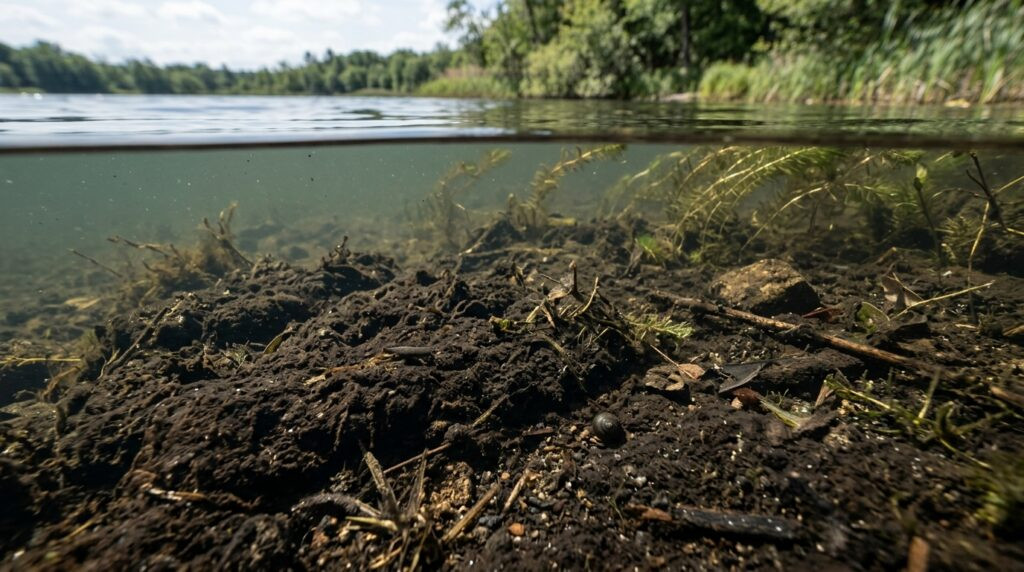
Lake muck, often characterized by its soft, silty texture and unpleasant odor, is a complex mixture of organic and inorganic materials that accumulate on the lakebed over time. It primarily consists of decaying aquatic plants, fallen leaves, sediment runoff, and other organic debris that settles to the bottom. This decomposition process consumes oxygen, creating an anaerobic environment that can release foul-smelling gases like hydrogen sulfide.
The presence of significant muck layers can have far-reaching ecological impacts. It smothers beneficial bottom-dwelling organisms, reduces fish spawning habitats, and acts as a nutrient sink, continuously releasing phosphorus and nitrogen back into the water column. These released nutrients then fuel further aquatic weed and algae growth, perpetuating a cycle of degradation that makes effective lake muck removal even more critical.
When you wade into your lake and feel that sharp, stinky scent accompanied by a flurry of bubbles, you are experiencing the direct result of this anaerobic decomposition. This is a clear indicator that organic material is breaking down without sufficient oxygen, releasing those tall-tale gases. While natural currents can help distribute some fine sediments, they are rarely strong enough to wash away significant muck buildup, especially in sheltered coves or shallow areas.
Identifying the Causes of Lake Muck Buildup
The accumulation of lake muck is rarely due to a single factor; it typically results from a combination of natural processes and human activities. Understanding these root causes is essential for developing a sustainable lake muck removal strategy and preventing future buildup. Without addressing the underlying issues, any removal effort will only provide temporary relief.
One primary contributor is the natural lifecycle of aquatic vegetation. When plants die, they sink to the bottom and decompose, adding to the organic layer. Excessive aquatic weed growth, often fueled by nutrient pollution, accelerates this process significantly.
Runoff from surrounding land, carrying fertilizers, soil, and organic debris, also plays a major role in enriching the lake with nutrients and sediment. Poor shoreline management, such as a lack of buffer zones or excessive lawn fertilization, directly contributes to nutrient loading. Additionally, natural lake aging, known as eutrophication, involves the gradual accumulation of organic matter over centuries. However, human activities can drastically speed up this natural process, turning a slow geological change into a rapid environmental problem.
Effective Strategies for Lake Muck Removal
Addressing lake muck requires a tailored approach, as the most effective strategy depends on the type and depth of muck, the size of your lake, and specific environmental considerations. There are several proven methods, each with its own advantages and suitable applications. Choosing the right technique ensures efficient and lasting results.
For smaller, localized areas or less severe muck, manual removal methods can be effective. This often involves using specialized tools like a Muck Scoop, which allows property owners to physically pull accumulated debris from the lakebed. While labor-intensive, it provides a direct way to clear specific spots and can be a good option for routine maintenance.
For more extensive or deeper muck deposits, mechanical or biological solutions become necessary. Mechanical methods, such as specialized dredging equipment, physically extract the muck, while biological treatments focus on accelerating the natural decomposition process. Each approach has distinct benefits and considerations for implementation.
Manual Lake Muck Removal Techniques
Manual removal is a hands-on approach best suited for managing smaller areas of muck or for regular maintenance to prevent significant buildup. It involves physically disturbing and extracting the muck from the lakebed using specialized tools. This method is particularly popular among homeowners looking for direct control over their immediate waterfront.
One of the most common tools for this task is a heavy-duty lake rake for muck. These rakes are designed with long handles and sturdy tines to penetrate the muck layer, allowing you to pull out decaying vegetation, leaves, and loose sediment. While effective for clearing swimming areas or boat paths, it requires consistent effort and can be physically demanding.
Another manual technique involves using specialized lake weed removal tools that can also dislodge and gather muck. These tools often combine cutting or grabbing capabilities with raking functions, making them versatile for addressing both weeds and the muck they contribute to.
Mechanical Lake Muck Removal & Control Methods
When manual efforts are insufficient for extensive or deep muck, mechanical lake muck removal and control methods offer a more robust solution. These techniques involve specialized machinery designed to extract, relocate, or prevent large volumes of accumulated organic material and sediment from the lakebed. They are particularly effective for restoring larger areas or significantly impacted shorelines.
One highly effective mechanical approach is the use of water current circulation systems, such as the AquaThruster. Instead of physically digging out the lakebed, this machine utilizes a high-powered motor to create a continuous, directional water current. This powerful flow naturally clears loose muck, silt, and organic debris away from your shoreline and docks. Furthermore, by keeping the water moving and continuously adding oxygen to the lakebed, it accelerates the natural aerobic breakdown of organic matter, acting as both an active clearer and a long-term preventative solution.
Another common mechanical approach is suction dredging. This process uses a powerful pump to draw a mixture of water and muck from the lakebed through a hose, which is then transported to an off-site dewatering area. Suction dredging is highly effective for removing incredibly deep layers of heavy muck with minimal disturbance to the surrounding water column, making it an environmentally conscious choice when properly managed.
Additionally, mechanical options include the use of aquatic weed harvesters or specialized that can cut or suction harvest, collect, and remove both weeds and the associated muck. While primarily designed for thick vegetation, these machines can effectively harvest surface debris or submerged vegetation, and prevent new accumulations by eliminating the primary source of organic decay before it can sink to the bottom.
The choice between water current circulation with the AquaThruster, suction dredging, or mechanical harvesting depends entirely on the specific composition, depth, and flow requirements of the material needing removal.
Biological and Chemical Approaches to Muck Management
Beyond physical removal, biological and chemical treatments offer alternative strategies for managing lake muck, often focusing on breaking down organic material or preventing its accumulation. These methods can be highly effective when integrated into a broader lake management plan, especially for long-term prevention and maintenance.
Biological treatments involve introducing beneficial microorganisms or enzymes that accelerate the natural decomposition of organic muck. These specialized bacteria consume the organic matter, reducing the volume of muck and releasing harmless byproducts like carbon dioxide and water. This approach is environmentally friendly and works continuously to break down new organic deposits, improving water quality over time.
Chemical treatments, while less common for direct muck removal, are often used to address the underlying causes, such as excessive algae or aquatic weed growth that contribute to muck. For instance, algaecides can control severe algae blooms, thereby reducing the amount of organic material that eventually settles to the bottom. However, any chemical application must be carefully considered and applied by professionals to ensure environmental safety and compliance with local regulations.
Choosing the Right Lake Muck Removal Method for Your Lake
Selecting the optimal lake muck removal method is a critical decision that hinges on several factors unique to your lake and property. There is no one-size-fits-all solution, and an informed choice ensures both effectiveness and environmental responsibility. Considering the specific characteristics of your lake and the nature of the muck is paramount.
First, assess the type and depth of the muck. Is it a thin layer of loose organic material, or a deep, dense accumulation of sediment and decaying matter? Shallow, localized muck might respond well to manual raking, while extensive, deep deposits almost certainly require mechanical dredging. The size of the area needing treatment also dictates the scale of the solution, with larger areas benefiting from professional equipment.
Environmental considerations, such as local regulations, the presence of sensitive aquatic life, and the lake's overall ecosystem, must also guide your choice. Some methods may require permits, and all should prioritize minimizing ecological disruption. Finally, consider your budget and long-term goals; investing in a comprehensive solution now can prevent more costly problems down the line.
Seasonal Planning for Muck Management
Timing is a crucial element in effective lake muck removal and management. Implementing strategies at the right time of year can significantly enhance their effectiveness and minimize environmental impact. A well-planned seasonal approach ensures that efforts are synchronized with natural lake cycles.
Early spring is often an ideal time for initial assessments and preventative measures. Before aquatic vegetation fully emerges, it's easier to identify muck hot spots and deploy biological treatments, allowing them ample time to work throughout the growing season. This period is also suitable for manual raking or using a lake weed cutter to address early weed growth before it contributes to new muck.
During late spring and summer, as temperatures rise and biological activity increases, ongoing maintenance and targeted mechanical removal can be performed. This is when the impact of muck is most felt for recreational use, making it a prime time for active intervention. Fall, after most vegetation has died back but before ice forms, is another excellent window for removing accumulated organic debris, preventing it from decomposing into muck over winter.
Preventing Future Lake Muck Buildup
While effective lake muck removal addresses existing problems, a sustainable long-term strategy must prioritize prevention. Mitigating the sources of organic material and nutrient runoff is key to maintaining a healthy, muck-free lakebed. Proactive measures are far more cost-effective and environmentally beneficial than continuous reactive cleanups.
One of the most impactful preventative measures is controlling nutrient input. This involves establishing and maintaining natural buffer zones along your shoreline with native vegetation, which filters runoff and absorbs excess nutrients before they reach the lake. Avoiding the use of fertilizers and pesticides near the water's edge is also crucial, as these chemicals are major contributors to nutrient pollution and subsequent weed and muck growth.
Regular aquatic vegetation management also plays a vital role. By controlling excessive weed growth through methods like aquatic weed cutters or manual removal, you reduce the amount of organic material that eventually dies and decomposes into muck. Understanding nutrient release from the lakebed is key to long-term aquatic weed suppression and muck prevention, as this internal loading can perpetuate the problem even if external inputs are reduced.
Weeders Digest: Your Partner in Lake Muck Removal
At Weeders Digest, we understand the challenges lakefront property owners face with persistent lake muck. Our comprehensive range of products and solutions is designed to address everything from aquatic weeds and sediment to the underlying causes of muck buildup. We specialize in providing both mechanical and biological options to enhance aquatic environments, ensuring a cleaner and more enjoyable lake experience.
We offer a variety of tools and equipment for effective lake muck removal, including specialized rakes, cutters, and even larger-scale dredging solutions. Our team is dedicated to helping you navigate the complexities of lake and pond management, offering expert advice tailored to your specific situation. We believe in empowering property owners with the right knowledge and products to achieve lasting results.
For those seeking deeper solutions or more extensive interventions, our expertise extends to advanced techniques and equipment. We can guide you through options like suction dredging or the use of specialized aquatic machines to tackle significant muck deposits. Our goal is to provide you with the most effective and sustainable strategies for maintaining a healthy, vibrant lake.
Frequently Asked Questions About Lake Muck
What exactly is lake muck and why is it a problem?
Lake muck is a soft, dark accumulation of decaying organic matter, sediment, and silt that settles on the lakebed. It primarily consists of dead aquatic plants, leaves, and runoff from the surrounding land. Muck becomes a problem because it creates an unpleasant, often foul-smelling environment, makes swimming and wading difficult, and releases nutrients that fuel further weed and algae growth, degrading the overall water quality and ecosystem.
How can I tell if I have a significant muck problem?
You can often identify a significant muck problem by several indicators. If you wade into your lake and feel a soft, squishy bottom that gives way underfoot, or if you notice a strong, sulfur-like odor (like rotten eggs) when the muck is disturbed, these are clear signs. Additionally, excessive aquatic plant growth, cloudy water, and difficulty accessing your dock or shoreline due to thick sediment all point to a muck issue.
Are there any DIY methods for lake muck removal?
Yes, for smaller areas or less severe muck, several DIY methods can be effective. Manual raking with a specialized lake rake for muck is a common approach, allowing you to physically pull out organic debris. Using bottom blankets or mats can also suppress muck and weed growth by blocking sunlight. However, these methods are labor-intensive and best suited for maintenance or localized problem spots rather than large-scale removal.
When is the best time of year to address lake muck?
The best time to address lake muck depends on the method. Early spring, before significant plant growth, is ideal for assessing the problem and applying biological treatments, giving them time to work. Late spring and summer are suitable for active removal when the muck is most noticeable for recreational use. Fall, after most vegetation has died back, is also an excellent time to remove accumulated organic debris before it decomposes over winter, preventing future buildup.
What are the environmental considerations for lake muck removal?
Environmental considerations are paramount in lake muck removal. Methods like dredging must be carefully managed to prevent excessive turbidity or the release of harmful substances. Biological treatments are generally eco-friendly, using natural processes. Any chemical applications require permits and strict adherence to guidelines to protect aquatic life and water quality. Always check with local authorities for regulations and permits before undertaking any significant removal project to ensure compliance and minimize ecological impact.
How can I prevent lake muck from returning after removal?
Preventing muck from returning requires a multi-faceted approach focused on reducing nutrient input and managing aquatic vegetation. Establish buffer zones of native plants along your shoreline to filter runoff and absorb excess nutrients. Avoid using fertilizers and pesticides near the water. Regularly manage aquatic weeds through cutting or removal to reduce the amount of organic material that decomposes. These proactive measures are crucial for long-term lake health and minimizing future muck accumulation.
Effectively managing lake muck is about more than just aesthetics; it's about restoring the ecological balance and usability of your lakefront property. By understanding the causes, choosing the right removal methods, and implementing preventative strategies, you can transform your shoreline into a cleaner, healthier, and more enjoyable aquatic environment.
At Weeders Digest, we bring years of experience and a comprehensive suite of solutions to every lake management challenge. Our team is equipped to guide you through the process, offering expert advice and the right tools to tackle even the most stubborn muck problems. We are committed to helping you achieve a pristine lakebed and a thriving aquatic ecosystem.
Recent Posts
-
Seasonal Lake Weed Management: Local Help
Effective lake weed management local to your property requires more than just a generic approach; it …30th Sep 2026 -

Lake Weed Cutters: Manual vs. Motorized Options
Managing aquatic vegetation is a persistent challenge for lakefront property owners, marinas, and ho …23rd Sep 2026 -
Lake Muck Removal: Solutions for a Cleaner Waterfront
For many lakefront property owners, the presence of thick, odorous lake muck along the shoreline and …16th Sep 2026