

Pond Algae Control: Year-Round Solutions for a Clear Pond
Pond & Lake Algae Control: How to Control Algae Year-Round
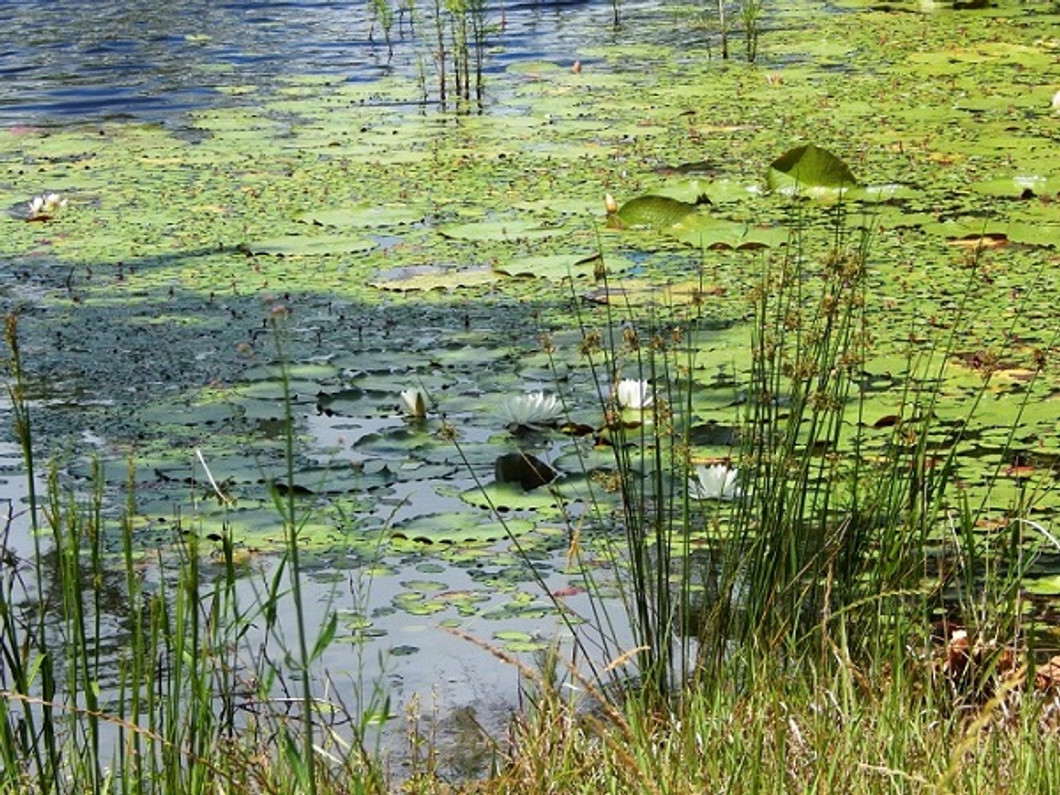
An inviting, healthy pond or lakefront property is a beautiful asset to any landscape, but as the summer months roll on, algae management becomes an extremely important part of maintaining a healthy body of water. When algae start to take over, they discolor the water, ruin the aesthetic of your shoreline, and suck out dissolved oxygen, potentially asphyxiating fish and other aquatic life forms. Because algae thrive on a combination of sunlight, warm water, and stagnant conditions, preventing outbreaks requires a proactive strategy that adapts to every season of the year.
How to Effectively Control Algae in Large Ponds and Lakes
To effectively control algae in a large private pond or lake shoreline, use a multi-faceted approach combining preventive and curative methods. Deploy sub-surface aeration to lower stagnant water temperatures and introduce beneficial bacteria to consume excess nutrients. For active blooms, use specialized algaecides for immediate clearing, supplemented by pond dyes to block sunlight and physical raking for persistent surface mats.
Understanding Algae Life Cycles & The Nutrient Chain
The key to having great water quality and preventing algae from getting out of control in both ponds and large lakes is to provide your water with the right balance of oxygen, nutrients, and beneficial bacteria throughout the year. The types of algae you have growing vary based on the season, your location, and how much runoff your shoreline receives.
- Late Winter to Early Spring: Algae begins its growth on the bottom of your lake or pond, typically in shallow water that is less than 4 feet deep. As spring wears on, the sediment from the algae growth starts to turn green and almost fuzzy.
- Summer: The algae begins forming dense, floating mats that break loose from the floor and float to the surface. Warmer water temperatures make it easier for small organisms to move throughout your swimming area, allowing the algae to absorb more sunlight and accelerate rapid blooms.
- Fall: The water that was previously at the bottom of your lake or pond is buoyed up in a natural seasonal rotation. This brings with it a massive supply of excess phosphorus, nitrogen, and decomposing organic matter that accumulated over the summer, creating a perfect storm for a late-season fall bloom.
Non-Herbicide Management Options
Beyond chemical treatments, several non-herbicide and physical methods can effectively manage algae in lakes and ponds while establishing a natural ecosystem balance.
Automated Water Circulation & Aeration Systems
If you don't want to add another round of heavy manual labor to your seasonal routine, keeping water moving is the single most effective natural prevention method. All bodies of water contain nitrogen and phosphate levels that are regulated by dissolved oxygen. If dissolved oxygen levels are low, nitrogen and phosphate levels spike, creating a perfect environment for aggressive algal blooms to take hold.
Our top automated choices to reverse water stagnation in channels, coves, bays, and large lake shorelines include:
- The AquaThruster: This specialized machine works for algae, weeds, and muck the way a leaf blower works for leaves in your yard. It creates a powerful, directed water current on the surface that blows and pushes suspended algae far away from your shoreline while protecting your beach from floating debris.
- The Airstream Pro: This labor-free solution brings breakthrough technology with high-volume circulation that will increase the oxygen throughout your lake or pond. It features a circulation range of up to 120 feet and can cover up to 3 acres from one spot, effectively reducing the phosphorus, nitrogen, and carbon that fuel algae.
- Pond & Lake Fountains: Perfect for medium to smaller-sized bodies of water, fountains provide beautiful aesthetic value alongside the essential surface aeration needed to starve out negative nutrients.
- Robust-Aire Diffused Aeration Systems: Engineered by Kasco to be the best in the industry, these subsurface systems are perfect for deeper waters (greater than 8 feet deep), delivering a steady stream of bottom-to-top bubbles to prevent temperature stratification.
All-Natural Products & Nutrient Reduction
Introducing natural
For lakes and large ponds struggling with high chemical loads, we recommend MetaFloc Pro. Instead of simply treating a bloom after it appears, this biological clarifier and phosphorus binder works by binding to free-floating phosphorus and other suspended solids in the water column and pulling them down to the bottom, locking them away so they are biologically unavailable to algae. For enclosed ponds, adding non-toxic
Manual & Mechanical Removal Techniques
For early spring blooms or persistent shoreline mats, mechanical and manual tools are excellent for immediate physical control. Using a specialized 5-foot Parachute Skimmer or
For heavier, mat-forming infestations near the beach, tools like the Long Reach Lake Rake or RakeZilla (featuring 9-inch unbreakable tines) can pull large clumps from the bottom while using a detachable float to skim algae off the surface. For larger lake shorelines, remote-controlled options like the WaterBeetle Aquatic Weed Harvester offer a mechanized way to skim and harvest massive floating mats easily.
Important Step: When physically removing algae, always dispose of the material far away from the water's edge so the collected nitrogen and phosphorus cannot wash right back into the lake or pond during the next rainstorm.
Herbicide Control Options
When preventative measures are not enough to manage an active, widespread outbreak, targeted chemical algaecides are required to knock down the population before it suffocates your water ecosystem.
Choosing the Right Algaecide
A lake is a living ecosystem, and tossing any random chemical in without an idea of what you are working towards can throw everything out of whack. Select a proper algaecide that targets the bloom without destroying the ecological balance. Our top recommendation for rapid, reliable results is Cutrine Plus Liquid or Granular. This high-grade copper algaecide is highly effective and EPA-approved for use in drinking water reservoirs, lakes, and farm ponds.
To lower overall chemical usage and boost efficiency, we suggest utilizing our Cutrine Plus & Bio-Chemical Catalyst Combo Pack. The catalyst disrupts the algae's natural defenses, allowing the copper to eliminate the bloom much faster while using less overall chemical product.
For persistent, slow-release control along lake bottoms, Hydrothol 191 Granular is our #1 selling chemical. It is highly effective at killing problem algae and submersed weeds exactly in the application area, slowly releasing its active ingredients over time without drifting away from targeted treatment zones.
Managing the Decomposition Cycle
When floating weeds and algae die and sink to the bottom of the water, they decompose and contribute to a thick, toxic layer of organic sludge or muck. As a rule of thumb, only kill off about a fourth to a third of the algae at once. Combine your algaecide treatment with an application of Liquid Bacteria. This ensures that as the algaecide kills the bloom, the bacteria immediately accelerate the decomposition process, eliminating the risk of a secondary muck buildup fueling a replacement bloom.
Filamentous Algae Control
Filamentous algae—often referred to as "moss," "pond scum," or hair-like strands resembling wet cotton—typically begins growing along the bottom or on rocks before floating to the surface in thick, stringy mats. This type of algae thrives in shallow, high-nutrient water where sunlight easily penetrates to the bottom.
Multi-Pronged Filamentous Strategy
- Mechanical Extraction: Use a heavy-duty lake rake like RakeZilla or a Parachute Skimmer to manually draw out the heavy, thick surface mats to reduce the bulk of the organic mass.
- Chemical Knockdown: Apply an
algae control - Preventing Regrowth: Follow up the treatment by running your water circulators or Airstream Pro to mix the water layers, creating a continuous current that prevents filamentous spores from settling and establishing a foothold along your shoreline.
Planktonic Algae Control
Planktonic algae are microscopic, single-celled organisms that float freely suspended throughout the water column. When these populations explode, they create a cloudy, "pea soup" green water effect or cause dangerous blue-green algae blooms. Because these organisms are too small to be caught by a rake or surface skimmer, control requires a complete water-column treatment.
Restoring Balance to Green Water
To clear up severe planktonic blooms, liquid copper-based
Because killing a massive planktonic bloom can cause a sudden drop in dissolved oxygen as the organisms rot, it is absolutely vital to keep your aeration systems running full-blast during and after the treatment. Once the water clears, maintain a strict schedule of beneficial bacteria and nutrient binders like MetaFloc Pro to capture free-floating phosphorus, ensuring your water stays sparkling and clear.
Seasonal Algae Control Strategies
Winter Months
In the winter, the colder weather and lack of sunlight naturally reduce the oxygen and nutrients algae need to flourish, meaning there isn't a whole lot of active maintenance required. However, keeping water moving over the long term is highly beneficial. Running a dock de-icer or a shallow aerator moves warmer water from the bottom to the top, keeping the water column oxygenated and ensuring toxic gases can safely escape through the ice.
Spring Months
As soon as the ice clears, it is crucial to get the water moving immediately. This slows initial growth by processing nutrients faster and limiting the rapid warming of shallow surface zones. This is the optimal time to deploy your AquaThruster or Airstream Pro around your dock and inject your first preventative round of beneficial bacteria.
Summer Months
As water temperatures hit their peak, monitor your pond or lakefront daily for signs of floating string algae or green water tints. Keep your diffused aeration running 24/7, maintain your pond dye levels (in contained systems), and use your algaecide packs to quickly spot-treat early blooms before they turn into widespread problems.
Fall Months
As your body of water undergoes its natural seasonal rotation, apply concentrated muck-reducing treatments. This helps break down the heavy influx of organic leaf matter and dying seasonal weeds before they settle into the floor to form a winter nutrient bed for next year’s algae. Encouraging neighbors to practice responsible landscaping to limit fall fertilizer runoff also goes a long way in protecting shared lake resources.
Recent Posts
-
Tame Cattails with an Aquatic Vegetation Groomer
For lakefront property owners, encroaching cattails transform vibrant shorelines into dense, unusabl …8th Oct 2026 -
Seasonal Lake Weed Management: Local Help
Effective lake weed management local to your property requires more than just a generic approach; it …30th Sep 2026 -
Lake Weed Cutters: Manual vs. Motorized Options
Managing aquatic vegetation is a persistent challenge for lakefront property owners, marinas, and ho …23rd Sep 2026