


Spring Muck Reduction: Clear Your Lake
As the ice recedes and temperatures rise, many lakefront property owners begin to notice the unwelcome return of accumulated muck along their shorelines and swimming areas. This organic sediment, a mixture of decaying plant matter, leaves, and other debris, can significantly diminish the aesthetic appeal and recreational value of a lake. Addressing this issue promptly with targeted early spring lake muck reduction strategies is crucial for maintaining a healthy aquatic environment and ensuring enjoyable summer use. Understanding the composition of muck and the factors contributing to its buildup is the first step toward effective management.
The transition from winter dormancy to spring activity presents a unique window of opportunity for intervention. During this period, biological processes are just beginning to accelerate, and the water column is often clearer, allowing for better visibility and more efficient application of treatments. Proactive measures taken now can prevent minor accumulations from becoming major problems later in the season, when warmer temperatures and increased sunlight can exacerbate muck decomposition and associated issues like foul odors and nutrient release.
This article will take a look into the most effective methods for early spring lake muck reduction, offering practical guidance on how to choose and implement the best solutions for your specific lake or pond. We will explore both preventative measures and active treatments, ensuring you have the knowledge to transform your mucky lake bottom into a clean, firm, and inviting space.
Understanding Lake Muck: Composition and Causes
Lake muck is primarily composed of organic matter that has settled on the lakebed over time. This includes decaying aquatic plants, fallen leaves, grass clippings, pollen, and other detritus from the surrounding landscape. Over many seasons, these materials accumulate, forming a soft, often odorous layer that can be several inches or even feet deep.
The decomposition process of this organic material is largely anaerobic, meaning it occurs in the absence of oxygen. This slow, incomplete breakdown releases gases like methane and hydrogen sulfide, which contribute to the unpleasant smell often associated with mucky lake bottoms. Furthermore, the decomposition process releases nutrients back into the water column, fueling the growth of algae and nuisance aquatic weeds, creating a cycle that perpetuates muck accumulation.
Several factors contribute to the rate and extent of muck buildup. Nutrient runoff from lawns, agricultural fields, and septic systems can significantly increase the organic load in a lake, providing more material for muck formation. Shallow areas with limited water circulation are particularly susceptible to heavy muck deposits, as the organic matter settles easily and remains undisturbed. Additionally, lakes with abundant aquatic vegetation will naturally experience higher rates of muck accumulation as these plants die back and decompose.
Why Early Spring is Critical for Lake Muck Reduction
The early spring period offers a strategic advantage for lake muck reduction efforts that is often overlooked. As the ice melts and water temperatures begin to rise, but before aquatic plant growth fully takes hold, conditions are ideal for intervention. This timing allows for treatments to be applied to a relatively clear water column, maximizing their effectiveness and reach.
During early spring, the biological activity in the lake is just beginning to accelerate. Applying muck-reducing treatments at this stage can jumpstart the decomposition of organic matter before it becomes a significant problem. This proactive approach helps to break down existing muck and prevent the rapid accumulation that can occur once warmer temperatures and increased sunlight stimulate vigorous plant growth and algal blooms.
Furthermore, addressing muck in the early spring helps to mitigate the release of stored nutrients into the water column. Muck acts as a nutrient sink, holding phosphorus and nitrogen that can fuel undesirable weed and algae growth. By reducing muck early, we can limit this internal nutrient loading, thereby improving overall water quality and reducing the need for more intensive treatments later in the season. This makes early spring lake muck reduction a cornerstone of comprehensive lake management.
Biological Muck Reduction: Harnessing Nature's Cleaners
Biological muck reduction relies on introducing beneficial microorganisms and enzymes that accelerate the natural decomposition of organic sediment. These specialized bacteria are designed to thrive in low-oxygen environments, breaking down the complex organic compounds that constitute muck into simpler, harmless substances like carbon dioxide and water. This method offers a sustainable and environmentally friendly approach to improving lake bottom conditions.
The effectiveness of biological treatments is often enhanced by proper application and environmental conditions. For optimal results, these products are typically applied directly to the mucky areas, allowing the bacteria to colonize the sediment and begin their work. Early spring is an ideal time for application, as water temperatures are cool enough to allow for even distribution before stratification occurs, yet warm enough to encourage bacterial activity.
When considering biological solutions, it is important to select high-quality, concentrated bacterial blends specifically formulated for lake and pond muck. These products are designed to target the specific types of organic matter found in lake sediments, ensuring efficient breakdown without harming other aquatic life. Consistent application over time yields the best results, gradually reducing muck depth and improving the firmness of the lake bottom.
Choosing the Right Biological Treatment
Selecting the appropriate biological treatment involves understanding the specific characteristics of your lake and the extent of your muck problem. Some formulations are designed for general muck reduction, while others may target specific types of organic matter or address nutrient imbalances. It is crucial to consider factors such as water temperature, pH, and the presence of other aquatic life when making a selection.
High-quality bacterial products typically contain a diverse blend of aerobic and anaerobic bacteria, ensuring comprehensive decomposition across varying oxygen levels within the muck layer. Look for products that are proven safe for fish, wildlife, and humans, and that come with clear application instructions. Consulting with an aquatic management expert can help tailor the choice of treatment to your unique situation, maximizing efficacy and minimizing potential issues.
The goal is to introduce a robust population of beneficial microbes that can outcompete less desirable bacteria responsible for foul odors and nutrient release. Consistent monitoring of muck depth and water quality throughout the treatment period will help assess progress and inform any necessary adjustments to the application regimen. This strategic approach to early spring lake muck reduction ensures long-term success.
Mechanical Muck Removal: Direct Action for Immediate Results
Mechanical muck removal offers a direct and often immediate solution for significant muck accumulation. This approach involves physically agitating, displacing, or removing the organic sediment from the lakebed. While it can be more labor-intensive or require specialized equipment, mechanical methods provide tangible results, especially in areas with very deep or stubborn muck layers.
One effective mechanical tool for this purpose is the Lake Groomer. This device works by continuously agitating the lake bottom, disrupting the muck layer and preventing new organic matter from settling and consolidating. The constant movement displaces existing muck, allowing it to be carried away by natural currents or dispersed into the water column where it can be further broken down by biological processes. This action not only reduces muck but also helps to uproot existing aquatic weeds and prevent their regrowth, transforming soft, mucky areas into firm swimming bottoms.
Another powerful option is the AquaThruster™, which uses directed water flow to blast away muck and sediment. This tool is particularly effective for clearing specific areas like swimming zones, boat lanes, or around docks. By creating strong currents, the AquaThruster™ can quickly move accumulated muck, exposing a firmer bottom. Both the Lake Groomer and AquaThruster™ are excellent choices for early spring lake muck reduction, providing immediate improvements and setting the stage for a cleaner, healthier lake throughout the season.
Integrating Mechanical and Biological Methods
For comprehensive and lasting lake muck reduction, combining mechanical and biological methods often yields the best results. Mechanical tools like the Lake Groomer or AquaThruster™ can quickly address the bulk of the muck, providing immediate relief and improving water circulation. This initial disruption also creates a more favorable environment for beneficial bacteria to thrive.
Once the heaviest muck has been disturbed or removed, biological treatments can be introduced to continue the decomposition process on a microscopic level. The combination ensures that both the visible, accumulated muck and the underlying organic compounds are addressed. This integrated strategy is particularly effective for early spring lake muck reduction, as it leverages the immediate impact of mechanical action with the long-term, sustainable benefits of biological remediation.
This dual approach not only reduces existing muck but also helps to prevent future accumulation by creating a more active and healthier lake bottom ecosystem. Property owners can achieve a significantly cleaner and firmer lakebed, enhancing recreational enjoyment and supporting overall aquatic health. Our agents have extensive knowledge of every item sold, offering intimate understanding to help customers find perfect solutions for integrating these powerful tools.
Aeration: Enhancing Natural Decomposition
Aeration plays a vital role in lake muck reduction by increasing oxygen levels throughout the water column and at the lake bottom. Oxygen is crucial for the efficient decomposition of organic matter by aerobic bacteria, which break down muck more completely and without the production of foul-smelling gases. By introducing oxygen, aeration systems transform the lakebed environment, promoting healthier decomposition processes.
There are primarily two types of aeration systems: surface aerators and diffused aeration systems. Surface aerators agitate the water at the surface, increasing oxygen exchange with the atmosphere, while diffused aeration systems use an air compressor to pump air through diffusers placed on the lake bottom. These diffusers release fine bubbles that rise through the water, carrying oxygen and creating circulation that helps prevent thermal stratification and distributes oxygen more evenly.
Implementing an aeration system in early spring can significantly boost the natural breakdown of muck. The increased oxygen levels stimulate the activity of beneficial bacteria, accelerating the decomposition of accumulated organic sediment. This not only reduces muck but also improves overall water quality, reduces nutrient release, and creates a more hospitable environment for fish and other aquatic life.
Strategic Placement and Sizing of Aeration Systems
The effectiveness of an aeration system hinges on its proper sizing and strategic placement within the lake. An undersized system will not provide sufficient oxygenation, while an improperly placed system may leave significant areas untreated. Factors such as lake depth, surface area, and the extent of muck accumulation must be considered when designing an aeration plan.
For diffused aeration, diffusers should be strategically positioned in the deepest areas and where muck accumulation is most prevalent. The goal is to create a circulation pattern that oxygenates the entire water column and directly impacts the benthic zone where muck resides. Consulting with an aquatic professional can ensure that your aeration system is optimally designed and installed to maximize its muck-reducing capabilities and overall impact on water quality.
Regular maintenance of aeration systems, including cleaning diffusers and checking compressors, is essential to ensure their continuous and efficient operation. A well-maintained system will provide consistent oxygenation, supporting the long-term health of your lake and contributing significantly to ongoing lake muck reduction efforts.
Preventative Measures: Stopping Muck Before It Starts
While active treatments are essential for existing muck, implementing preventative measures is crucial for long-term lake health and minimizing future accumulation. The most effective strategy for early spring lake muck reduction includes addressing the sources of organic input into your lake. This proactive approach reduces the amount of material available to form new muck layers, making maintenance easier and more sustainable.
One key preventative measure involves managing shoreline vegetation and runoff. Preventing leaves, grass clippings, and other yard waste from entering the lake significantly reduces the organic load. Establishing a buffer zone of native plants along the shoreline can help filter nutrients and sediment from runoff before they reach the water, further reducing the raw materials for muck formation. This natural filtration system also provides habitat for wildlife and stabilizes the shoreline.
Controlling nuisance aquatic weeds is another critical preventative step. Dense weed growth contributes substantially to muck when plants die back and decompose. Implementing an integrated weed management plan, which may include mechanical removal or targeted treatments, can reduce the amount of organic matter available for muck formation. By minimizing the sources of organic debris, property owners can significantly slow the rate of muck accumulation and maintain a cleaner lake bottom over time.
Long-Term Lake Management for Muck Control
Effective long-term lake management for muck control extends beyond simple cleanup; it involves a holistic approach to the entire aquatic ecosystem. This includes regular monitoring of water quality parameters such as nutrient levels, dissolved oxygen, and pH. Understanding these indicators helps in identifying potential issues early and adjusting management strategies accordingly.
Implementing a nutrient management plan for your property and surrounding areas is vital. This might involve reducing fertilizer use, maintaining septic systems, and managing stormwater runoff to minimize the input of phosphorus and nitrogen into the lake. These nutrients are primary drivers of excessive plant and algal growth, which ultimately contribute to muck accumulation.
Considering the broader watershed is also important, as activities far from the shoreline can impact lake health. Collaborating with neighbors and local organizations on watershed-wide initiatives can lead to more significant and sustainable improvements in water quality and muck reduction. The U.S. Environmental Protection Agency provides valuable resources on watershed management and protecting water quality, which can be found on their website: EPA.gov.
Weeders Digest: Your Partner in Lake Muck Reduction
At Weeders Digest, we understand the challenges lakefront property owners face with muck accumulation, especially as spring arrives. Our extensive experience and deep knowledge of aquatic environments enable us to offer comprehensive solutions tailored to your specific needs. We are dedicated to helping you achieve a clean, healthy, and enjoyable lake or pond.
We pride ourselves on offering top-rated products and expert guidance to ensure effective lake muck reduction. Our team possesses an intimate understanding of every item sold, from advanced aeration systems to powerful mechanical tools like the Lake Groomer and AquaThruster™. This ensures that when you reach out, you receive personalized recommendations that genuinely address your unique muck challenges.
Our commitment extends beyond just selling products; we aim to empower you with the knowledge and tools to maintain your lake's health for years to come. We believe in fostering long-term relationships with our customers, providing ongoing support and advice to help you navigate the complexities of aquatic management. With Weeders Digest, you gain a trusted partner in transforming your mucky lake bottom into a pristine aquatic oasis.
FAQs About Early Spring Muck Reduction
How quickly can I expect to see results from muck reduction treatments?
The timeline for seeing results from muck reduction treatments can vary significantly depending on the method used, the extent of the muck, and environmental conditions. Mechanical methods like using an AquaThruster™ or Lake Groomer can provide immediate visual improvements by displacing or removing muck within hours or days. Biological treatments, which rely on bacterial decomposition, typically show noticeable results over several weeks to a few months, with continuous improvement over time as the bacterial colonies establish and multiply.
Factors such as water temperature, nutrient levels, and the initial depth of the muck layer also play a crucial role in how quickly treatments take effect. Warmer water generally accelerates biological activity, while very deep muck layers will naturally require more time and consistent application. It's important to set realistic expectations and understand that sustained improvement often requires a consistent, multi-faceted approach rather than a single quick fix.
For optimal and lasting results, a combination of methods applied strategically in early spring, followed by ongoing maintenance, is often recommended. This integrated approach addresses both immediate muck issues and underlying causes, leading to a healthier lake bottom over the long term. Our experts can help you develop a tailored plan with a clear timeline.
Are muck reduction products safe for fish and other aquatic life?
The safety of muck reduction products for fish and other aquatic life is a primary concern for responsible lake management. Most reputable biological muck reduction products, which consist of naturally occurring beneficial bacteria and enzymes, are specifically formulated to be safe for fish, amphibians, waterfowl, and other aquatic organisms when used according to instructions. These bacteria work by enhancing natural decomposition processes, not by introducing harmful chemicals.
However, it is always crucial to read product labels carefully and choose products from trusted suppliers who prioritize environmental safety. Overdosing or using unapproved chemicals can potentially harm aquatic ecosystems. Mechanical methods, when operated correctly, generally pose minimal risk to aquatic life, though care should always be taken to avoid direct contact with fish or sensitive habitats.
Aeration systems, far from being harmful, actually improve aquatic habitats by increasing dissolved oxygen levels, which is vital for the health of fish and other aquatic life. When considering any muck reduction strategy, we recommend consulting with aquatic professionals to ensure the chosen methods are appropriate for your specific lake and its inhabitants, maintaining a healthy balance within the ecosystem.
Can I prevent muck from returning after treatment?
Preventing muck from returning after initial treatment requires a commitment to ongoing preventative measures and good lake management practices. While it's nearly impossible to eliminate all organic input into a natural body of water, you can significantly reduce the rate of future muck accumulation. This involves addressing the sources of organic material and nutrients that feed muck formation.
Key preventative strategies include maintaining a natural buffer zone of native plants along your shoreline to filter runoff, preventing leaves and grass clippings from entering the lake, and managing nutrient inputs from fertilizers and septic systems. Regularly using an aeration system can also continuously enhance natural decomposition, keeping the lake bottom oxygenated and active. Additionally, periodic use of mechanical tools like the Lake Groomer can help agitate and disperse new sediment before it consolidates.
By integrating these preventative measures with occasional maintenance treatments, you can sustain the benefits of your initial muck reduction efforts. This proactive, long-term approach ensures that your lake remains cleaner, healthier, and more enjoyable for years to come, minimizing the need for intensive interventions. Consistency is key to long-term success in muck control.
Effectively managing lake muck in the early spring is a critical step towards maintaining a healthy and aesthetically pleasing aquatic environment. By understanding the causes of muck, leveraging biological and mechanical solutions, and implementing robust preventative measures, property owners can significantly improve their lake bottom conditions.
At Weeders Digest, we are committed to providing the expertise and high-quality products necessary for successful lake management. Our team offers unparalleled knowledge and personalized support, ensuring you select the most effective strategies for your unique lake or pond challenges. We believe in empowering our customers to achieve lasting results and enjoy their waterfront properties to the fullest.
Ready to tackle your lake muck this spring? Contact us today for personalized solutions and expert advice.
Recent Posts
-

Seasonal Lake Weed Management: Local Help
Effective lake weed management local to your property requires more than just a generic approach; it …30th Sep 2026 -

Lake Weed Cutters: Manual vs. Motorized Options
Managing aquatic vegetation is a persistent challenge for lakefront property owners, marinas, and ho …23rd Sep 2026 -
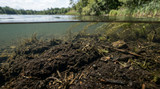
Lake Muck Removal: Solutions for a Cleaner Waterfront
For many lakefront property owners, the presence of thick, odorous lake muck along the shoreline and …16th Sep 2026