

Pond Algae Control
 Pond Algae Removal & Control
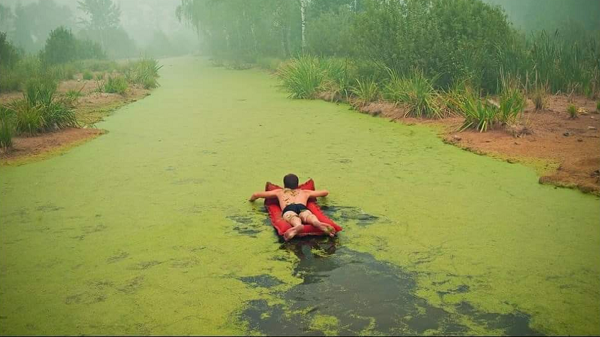
As the summer months roll on, pond algae control is an extremely important part of maintaining a healthy body of water. When algae starts to take over your lakeshore, it will discolor the water and suck out the oxygen, asphyxiating other life forms. Certain types of algae are even toxic to humans and pets. When you see excessive algae growth it is a sure indication that you have problems with your water quality. Your shoreline area will become unsuitable for fish, important aquatic organisms, other animals and for activities such as swimming and fishing.
What is Algae?
Algae are simple, non-flowering aquatic organisms that range from microscopic single-celled forms to large seaweeds. They are a natural and essential part of most aquatic ecosystems, forming the base of the food web. However, when conditions are right, such as an abundance of nutrients (like phosphorus and nitrogen) and sunlight, algae can grow excessively, leading to what is commonly known as an "algae bloom."
These blooms can be problematic for several reasons. They can reduce water clarity, create unpleasant odors, and, most critically, deplete oxygen levels in the water when the algae die and decompose. This oxygen depletion can harm or kill fish and other aquatic life. Some types of algae, particularly certain blue-green algae (cyanobacteria), can also produce toxins that are harmful to humans, pets, and wildlife.
Understanding the different types of algae and the conditions that promote their growth is the first step in effective pond algae control. By managing nutrient levels, promoting good water circulation, and using appropriate treatment methods, you can maintain a healthy balance in your pond or lake.
Here are are few pond algae solutions and treatment to help you get rid of algae in a pond or lake
There are numerous ways to deal with the types of algae that may be causing you issues in your body of water. Below we will talk about:
- Manual Pond Algae Control Tools
- Automated & Machines that control algae
- All Natural Products
- And the best algaecides for killing algae
Using any of the following pond algae control products alone or in combination with each other to get rid of pond / lake algae and then using proactive prevention solutions will help reduce future growth.
The top products for manually removing algae from your pond or lake: Using an Algae skimmer net is one great option for removing it from the surface. The
skimmer makes it easy to quickly clear an area and maintain it. Like floating weeds, when algae dies and sinks to the bottom of the water, it will decompose and will contribute to a new layer of muck. Collecting algae at the surface is the perfect preventative measure to combat this sludge accumulation on your beach.
Our Long Reach Rake will also work to skim algae because of the detachable float but has the added benefit of being label to collect what has been pulled in as well as clean up on the bottom of your shoreline.
Automated Pond Algae Control Products: Our top choice for Automated Algae Control is the AquaThruster. This product works for algae, weeds & muck in the way that a leaf blower works for leaves in your yard. It creates a powerful current water flow on the surface that blows and pushes suspended algae and weeds far away from your shoreline. It also helps in preventing and protecting your area from more floating in. People use the AquaThruster in their ponds both as a solution to algae, sea weed and sludge along with it being a preventative measure. In smaller ponds, the AquaThruster is great because it can help move everything to the edges of the shoreline so that it is much easier to collect and get rid of with a rake or pitch fork.
Another excellent completely labor free algae solutions is The Airstream Pro. It combines the powerful circulation of the AquaThruster but also adds high volume aeration. With proper aeration, this effectively reduces the phosphorus, nitrogen and carbon that lead to excessive weed and algae growth. The Airstream and items such as Aerating Fountains are perfect for lake shore owners looking to reduce the algae because of the aeration they provide which combats weeds and muck and to reverse the water stagnation in channels, coves and bays through the use of aeration.
Chemical and All Natural Pond Algae Solutions
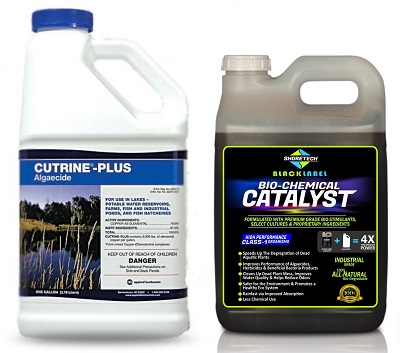
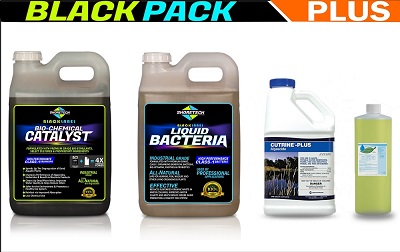
When using an algeacide to combat algae in your lake or pond, a product like Cutrine Plus works great and is EPA approved for use in drinking water reservoirs, irrigation conveyance systems such as canals and ditches and of course in your body of water. We suggest using our copper algaecide Cutrine Plus & Biocatalyst Combo Pack to increase effectiveness and allow for less chemical us. For even better results try using Cutrine with both Liquid Bacteria & Biocatalyst to improve and speed up the process of eliminating algae. You can also purchase a combo pack to take care of all your algae needs.
Whether you have large amounts of algae already or are looking to take the necessary steps to keep it from showing up, it is important to identify the factors that cause algae to thrive and eliminate them. Equally important is using the proper tools, products and methods to assist you in taking preventative measures along with maintaining your lake or pond to have a healthy and thriving body of water.
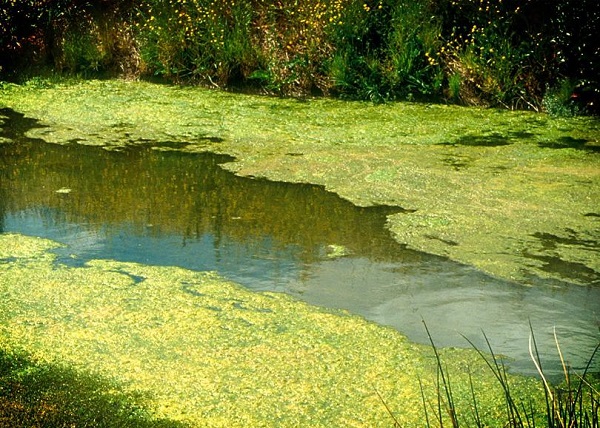
There is nothing more disheartening than watching your water column turn green with planktonic algae, turning the water into a green colored scum. Or watching the filamentous algae, with its thick, green hair-like strands building up on your shoreline or on the waterfall feature of your pond. A pond or lake with this kind of algae buildup, with plenty of nutrients and the summer sunlight helping feed it, will quickly take over. Read more about the two main types of algae in a previous article in our Learning Center.
Filamentous Algae
Filamentous algae, often referred to as "pond scum" or "moss," is easily recognizable by its long, hair-like strands that form dense mats on the water surface or submerged structures. These strands are made up of individual cells joined end-to-end, creating a stringy texture. As it grows, it can become quite thick, making swimming and fishing difficult and detracting from the aesthetic appeal of your pond.
Causes of Filamentous Algae
Like other forms of algae, filamentous algae thrives in nutrient-rich water, particularly with high levels of phosphorus and nitrogen. These nutrients often enter ponds through runoff from fertilized lawns, agricultural fields, or septic systems. Warm water temperatures and ample sunlight also contribute to its rapid growth, especially during the summer months.
Control Methods for Filamentous Algae
- Manual Removal: For smaller infestations, filamentous algae can be physically removed using rakes, skimmers, or specialized algae nets. This method is effective for immediate cleanup and reduces the amount of decaying organic matter in the pond.
- Algaecides: Copper-based algaecides like Cutrine Plus are highly effective against filamentous algae. It's crucial to follow application instructions carefully to avoid harming fish or other aquatic life. Combining algaecides with a Biocatalyst can enhance effectiveness and reduce the amount of chemical needed.
- Aeration: Improving water circulation and oxygen levels with an Airstream Pro or Aerating Fountains can help reduce the conditions favorable for filamentous algae growth by breaking down excess nutrients and preventing stagnation.
- Nutrient Reduction: Long-term control involves reducing nutrient input into the pond. This can include creating buffer zones around the pond, managing fertilizer use, and using beneficial bacteria products like Liquid Bacteria to consume excess nutrients.
Planktonic Algae
Planktonic algae consists of microscopic, single-celled organisms that float freely in the water column. When these algae multiply rapidly, they can turn the water a vibrant green, pea-soup color, significantly reducing water clarity and creating an unsightly appearance. This type of algae is often responsible for the "green water" phenomenon in ponds.
Causes of Planktonic Algae
Planktonic algae blooms are typically triggered by an excess of nutrients, particularly phosphorus, combined with warm temperatures and abundant sunlight. These conditions allow the microscopic algae to reproduce quickly, leading to a dense bloom that can block sunlight from reaching submerged plants and deplete oxygen levels when the algae die and decompose.
Control Methods for Planktonic Algae
- Algaecides: Similar to filamentous algae, copper-based algaecides such as Cutrine Plus are effective in controlling planktonic algae. Even better results can be achieved by using Cutrine Plus & Biocatalyst Combo Pack. Proper dosage is essential to avoid oxygen depletion from a sudden, large-scale die-off of algae.
- Aeration and Circulation: Good aeration, provided by products like the Airstream Pro or AquaThruster, can help prevent planktonic algae by improving water quality, increasing oxygen levels, and reducing thermal stratification, which can contribute to nutrient release from the bottom sediments.
- Nutrient Management: The most sustainable approach to controlling planktonic algae is to reduce the nutrient load entering the pond. This includes minimizing runoff from fertilized areas, maintaining septic systems, and using beneficial bacteria to lock up available nutrients.
- UV Sterilizers: For smaller ponds, UV sterilizers can be highly effective at killing free-floating planktonic algae as water passes through the unit, helping to maintain clear water.
Chara & Nitella Algae
Chara and Nitella are often mistaken for submerged aquatic weeds due to their plant-like appearance, but they are actually types of macro-algae. They grow rooted to the bottom of the pond and can form dense mats, especially in clear, shallow water. Chara is sometimes called "muskgrass" because of its distinct musky odor when crushed, and it has a gritty texture due to calcium deposits. Nitella is softer and lacks the musky smell.
Causes of Chara & Nitella Algae
These macro-algae thrive in clear water with moderate to high alkalinity and nutrient levels. Chara, in particular, often indicates good water quality because it requires clear water to grow. However, when conditions are ideal, they can grow excessively, interfering with recreational activities and potentially outcompeting desirable native plants.
Control Methods for Chara & Nitella Algae
- Manual Removal: For localized growth, Chara and Nitella can be manually raked or pulled from the pond bottom. Our Long Reach Rake is particularly useful for this.
- Algaecides: Copper-based algaecides are effective against Chara and Nitella. Systemic algaecides may also be used, but it's important to ensure they are safe for the specific aquatic environment and to follow all label instructions.
- Benthic Barriers: For persistent problems in specific areas, benthic barriers (pond bottom covers) can be installed to block sunlight and prevent growth.
- Nutrient Management: While Chara and Nitella can tolerate lower nutrient levels than other algae, reducing overall nutrient input into the pond will still contribute to long-term control.
- Aeration: While not a direct control for established Chara and Nitella, good aeration can improve overall pond health and potentially make the environment less favorable for excessive growth over time.
For personalized advice and the best pond algae control solutions tailored to your specific needs, don't hesitate to contact our experts today. We're here to help you achieve a clear, healthy, and beautiful pond!